
Dental Air Compressor Sizing Guide
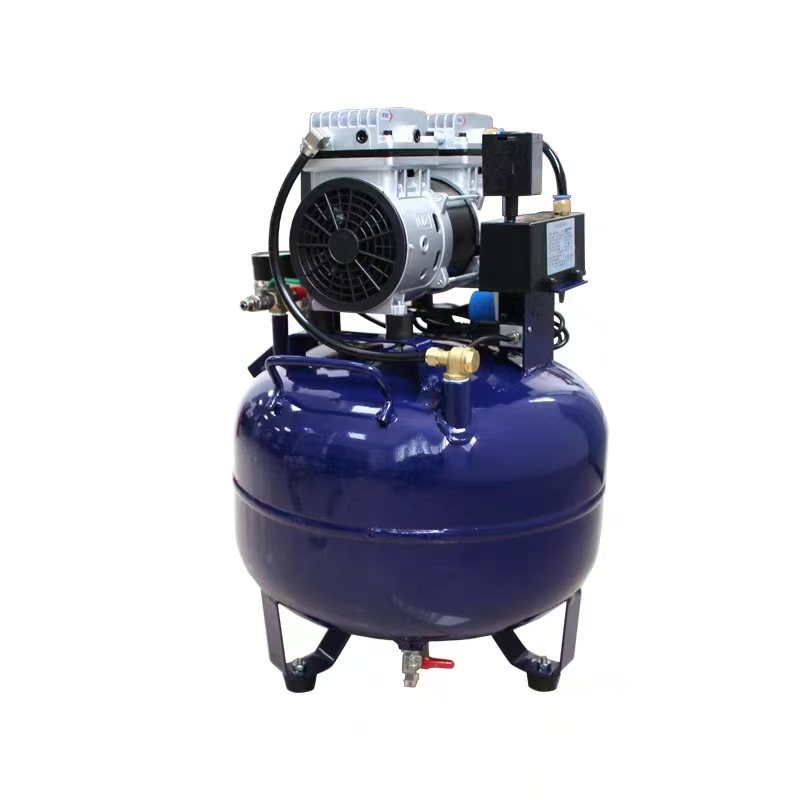
Dental chairs are usually sold as a package with an oil-free compressor, and the pairing is often wrong: the tank is big enough on paper but the pump cannot deliver the air. Here is how to size it.
Free air delivery, not displacement
Catalogues quote displacement — the theoretical volume the pump moves. What runs the turbine is free air delivery (FAD) at working pressure, typically 30–40% lower. Ask for FAD at 0.7 MPa. A high-speed handpiece needs roughly 40–50 L/min while cutting; a three-way syringe and scaler add to that.
Sizing table
| Chairs | Tank | FAD at 0.7 MPa | VOTEN model |
|---|---|---|---|
| 1 | 30–35 L | ≥ 60 L/min | VC-30 / VC-35 |
| 2 | 50–60 L | ≥ 120 L/min | VC-60 (two-motor) |
| 3 | 90 L | ≥ 180 L/min | VC-90 (three-motor) |
| 4–6 | 180 L | ≥ 280 L/min | VC-180 (four-motor) |
Figures are planning values; confirm the FAD on the model datasheet. An undersized compressor runs continuously, overheats and fails early — and the clinic blames the chair.
The air dryer is not optional in humid markets
In coastal West Africa, Southeast Asia, the Gulf coast and much of Latin America, moisture in the air line is the most common cause of premature handpiece failure. Specify the dryer as standard rather than as an upsell; the warranty claims it prevents cost more than the option earns.
Noise and placement
In small clinics the compressor sits in the treatment room. Oil-free units at ≤ 55 dB are acceptable; anything louder needs a cabinet or a separate room. Confirm the noise figure is measured at 1 m.
Voltage
110V/60Hz, 220V/50Hz and 220V/60Hz are all in use across our markets. A 50 Hz motor run on 60 Hz runs hotter and faster; specify the correct version on the proforma invoice.
Talk to the factory
Specifications confirmed in writing, packing data and distributor pricing within one business day.
Related
Dental Suction Systems Explained: Wet-Ring vs Dry
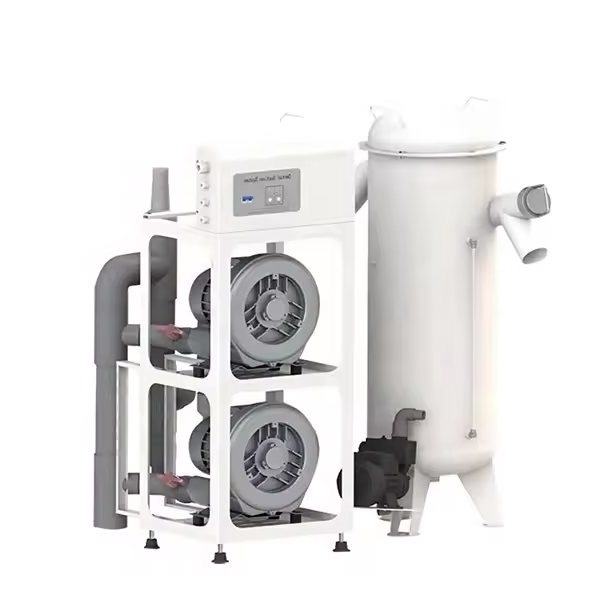
Why suction causes the most installation problems, the difference between wet-ring and dry systems, and how to size a mobile, single-chair or central unit.
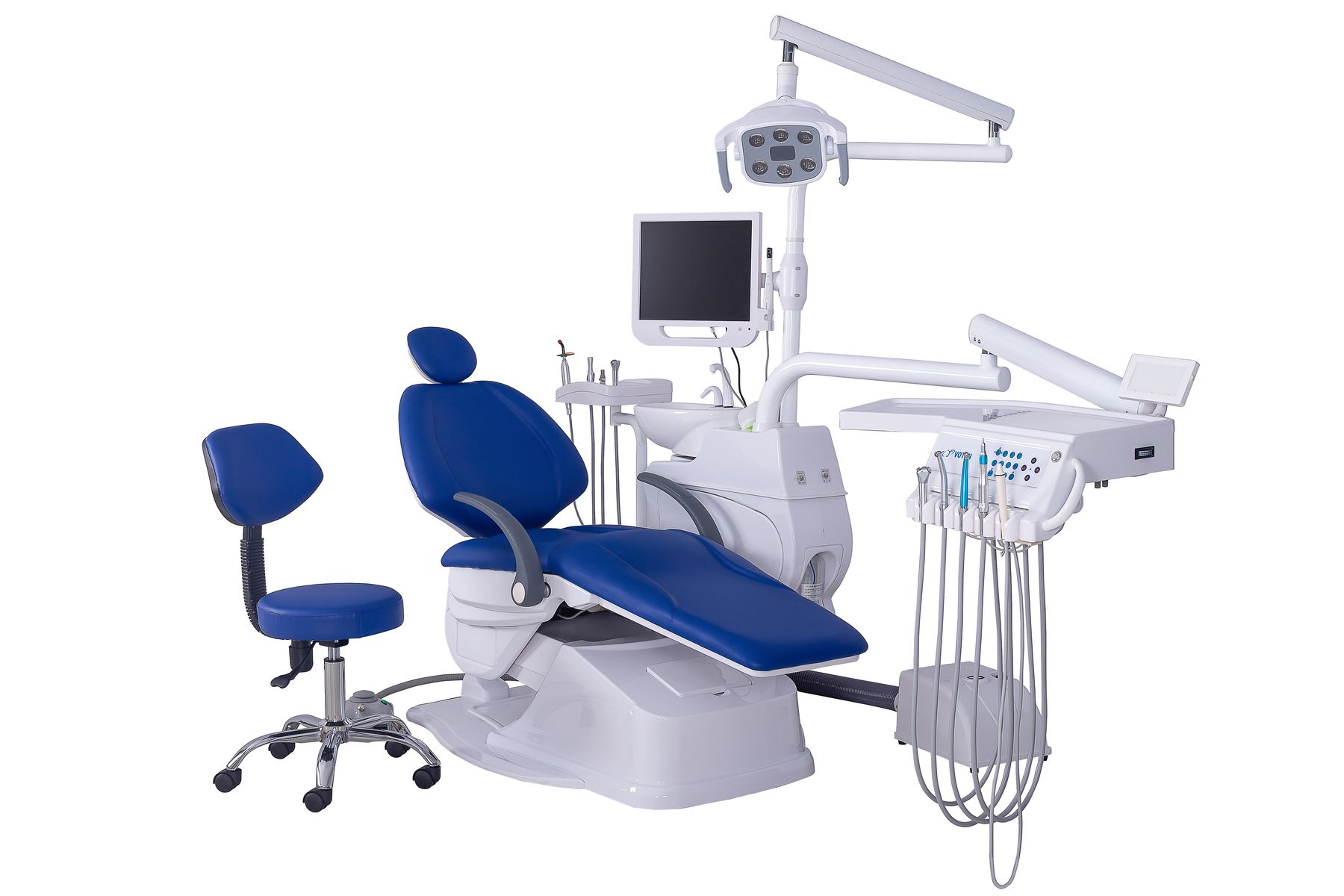
Dental Unit Explained: What a Dental Chair Is Made Of
The seven sub-assemblies inside every dental unit — chair, delivery system, light, spittoon, suction, control board and foot control — what each does, what fails first, and what to specify when you buy.
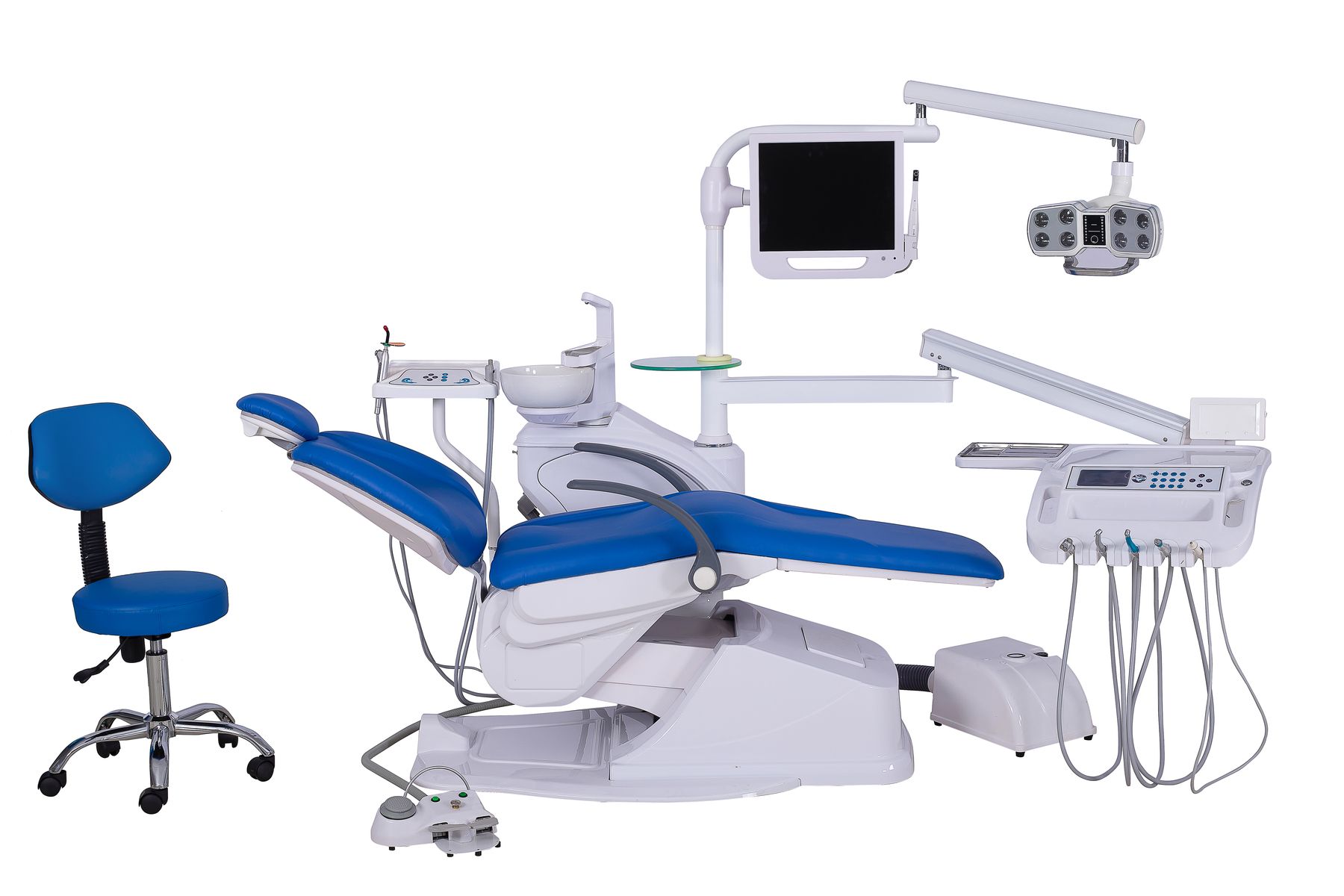
Hydraulic vs Electric Dental Chairs: Which to Stock
Hydraulic chairs cost less; electric chairs position better and survive hot climates. A dealer's comparison of cost, noise, positioning, maintenance and spare parts.