
Dental Unit Explained: What a Dental Chair Is Made Of
Last reviewed 2 November 2026
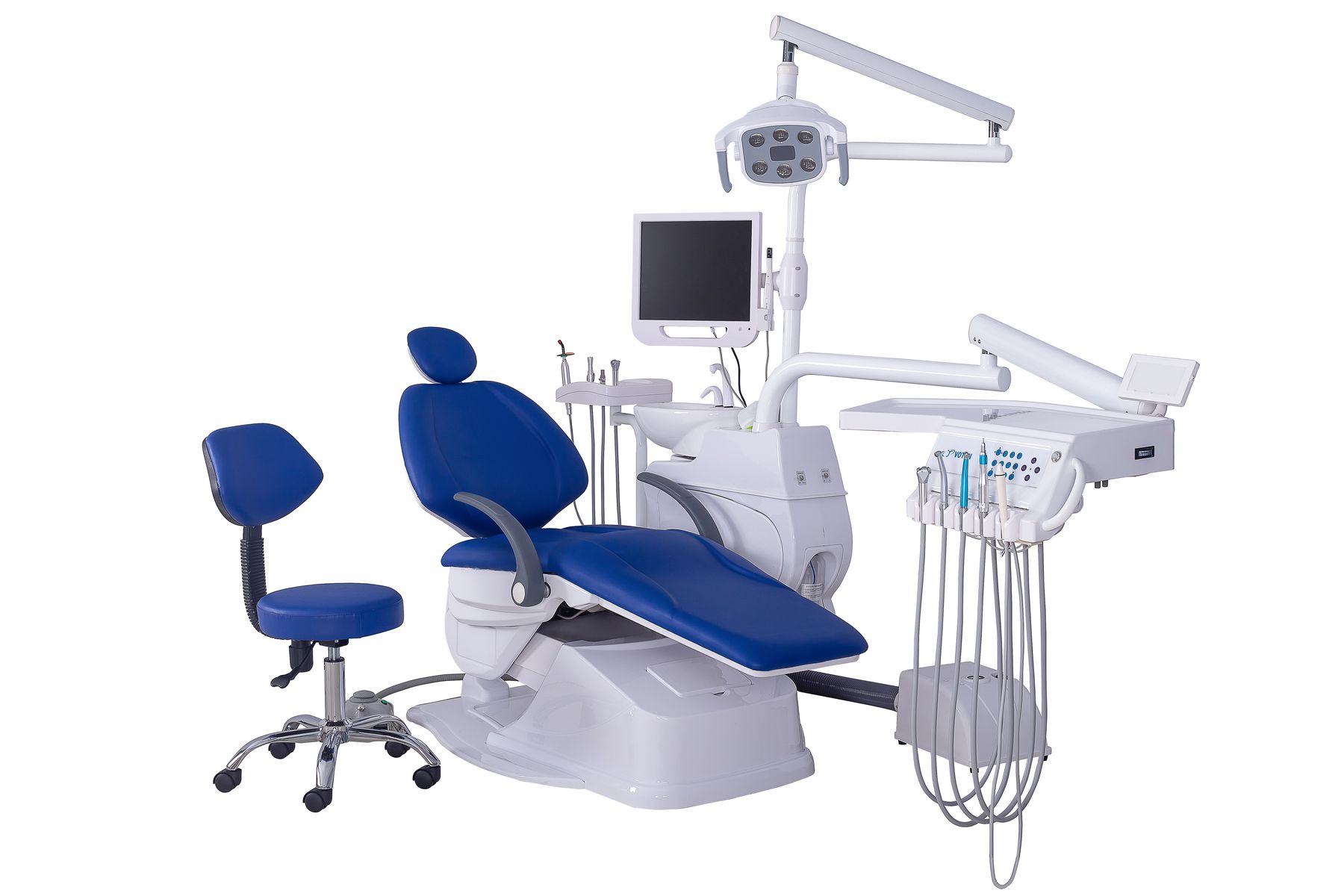
A dental unit is sold as one product, but it is built as seven. Understanding the seven sub-assemblies is the fastest way to compare quotations, to read a specification sheet, and to predict what will need a spare part in year three.
1. The patient chair
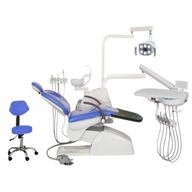
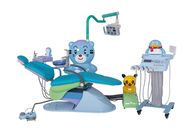
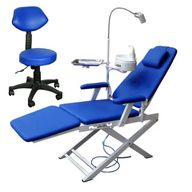
The chair is a steel frame on a cast base, driven by one or two electric actuators (or by a hydraulic system). Check which seat and backrest movements are independently controlled, and verify the treatment positions supported by the specific model; motor count alone does not establish a flat or Trendelenburg position. A compensating frame — used on our T50 — keeps the patient's head in the same place while the backrest reclines, so the dentist does not have to reposition the light.
What to specify: number of motors, rated patient load, memory positions (3 is standard, 9 on premium controls), left/right-hand conversion, and the minimum seat height for pediatric or wheelchair transfer.
2. The delivery system
The delivery system carries the handpiece tubing, three-way syringe and scaler to the dentist's hand. Three layouts are common: side delivery (chair-mounted tray, the default across Africa, Southeast Asia and the Middle East), over-the-patient (swing arm, popular in Latin America and Europe) and cart delivery. Confirm which delivery layouts the selected VOTEN model supports and whether conversion requires different brackets, tubing or controls.
What to specify: layout, number of instrument positions and the handpiece hose/coupling standard, air brake on the tray arm, and whether the syringe delivers heated water.
3. The operating light
Halogen lights are being replaced by LED: cooler, longer life and a colour temperature (5,000–5,700 K) closer to daylight. A sensor LED switches on and off with a hand wave, which matters for infection control. Implant lights add higher intensity and a composite-safe mode.
What to specify: LED vs sensor LED vs implant LED, lux at 700 mm, colour temperature.
4. The spittoon and water unit
The spittoon (cuspidor) is ceramic or glass, ideally rotatable for cleaning, with automatic bowl rinse and cup fill. The water unit also houses the water bottle system — a reservoir whose capacity and arrangement depend on the model — which lets the clinic run distilled water independently of the mains supply. This is essential where mains water quality or pressure is unreliable.
5. The suction circuit
Suction is where most installation surprises happen. Wet-ring suction uses a liquid seal; its water supply, recirculation and drainage requirements depend on the pump. Dry suction removes liquid before air reaches the pump; confirm the separator's location and discharge route. Check hose diameters, whether a saliva ejector only or also a high-volume evacuator is supplied, and the permitted drainage arrangement in the installation instructions. Read more in Suction Systems Explained.
6. The control board
The control board runs the motors, memory positions, light and solenoid valves. It is the part most often damaged by voltage surges in markets with unstable mains — which is why we recommend a voltage stabiliser with every chair, and why we hold control boards in spare-parts stock. Ask what voltage range the board tolerates.
7. The foot control
A multifunction foot control (functions vary by model) drives the handpieces, chair movement and water spray without the dentist touching anything with gloved hands. Pneumatic controls are simpler to service; electronic controls add chip-blower and memory recall.
Compressor and small equipment
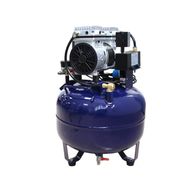
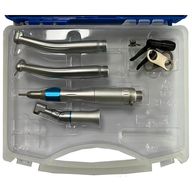
Confirm the oil-free compressor's delivered flow at the required pressure, duty cycle and simultaneous-use rating; receiver volume alone does not establish capacity. Handpiece kits, scalers and curing lights depend on the quoted configuration. See Compressor Sizing Guide and our C33C clinic package for how these are combined into one shipment.
Service issues and spare-parts planning
Agree stock quantities from the installed models, service records, part compatibility and replacement lead times. The examples below are service considerations, not failure-rate or service-life forecasts.
| Sub-assembly | Service issue to consider | Spare to stock |
|---|---|---|
| Control board | Surge damage | Compatible board for the model and revision |
| Solenoid valves | Scale / debris in water line | Valve set |
| Handpiece tubing | Wear, kinks | Tubing set |
| Upholstery | Disinfectant damage | Cushion set in stock colours |
| Light bulb / LED module | End of life | Compatible replacement light module |
Talk to the factory
Specifications confirmed in writing, packing data and distributor pricing within one business day.
Related
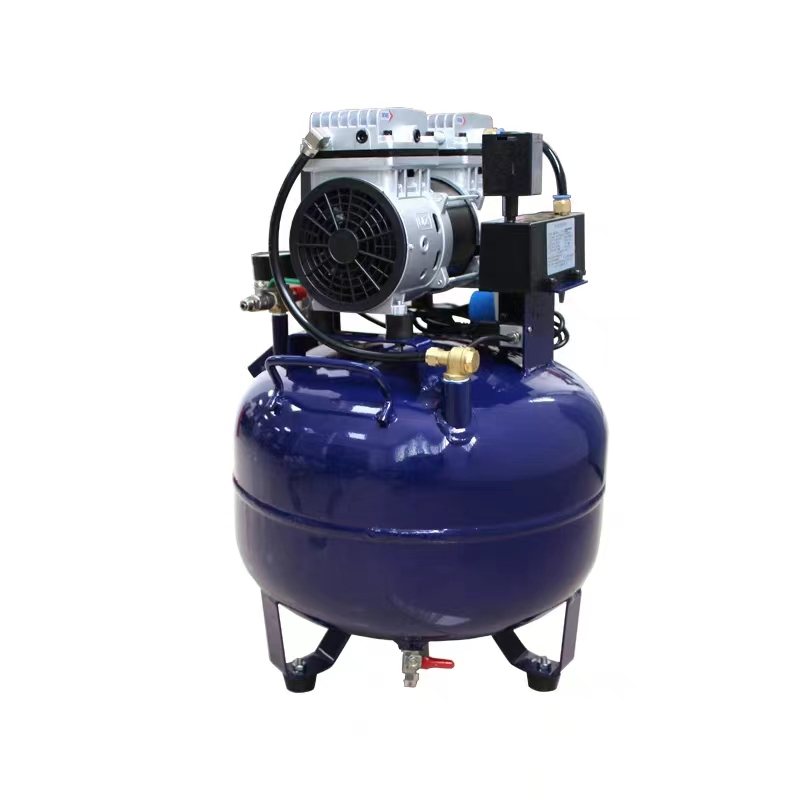
Dental Air Compressor Sizing Guide
Size a dental compressor from delivered air at a stated pressure, simultaneous demand and duty cycle. A specification checklist for one to six chairs, dryers, noise and voltage.
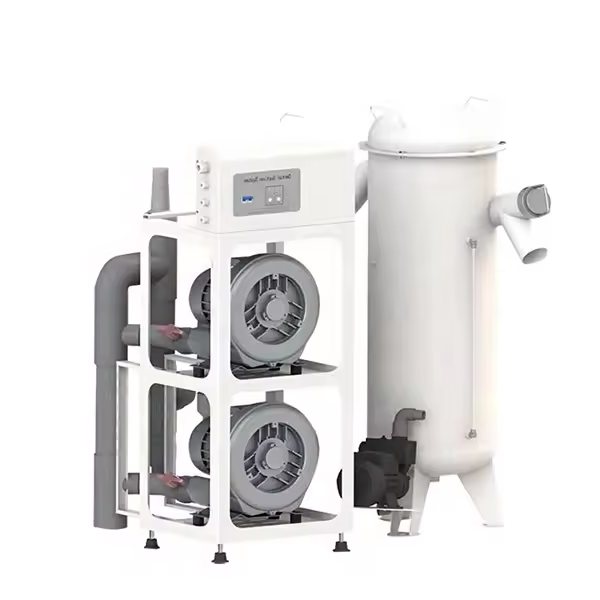
Dental Suction Systems Explained: Wet-Ring vs Dry
What to confirm about liquid-ring pumps, air/liquid separation, mobile and central suction: water supply, reservoirs, drainage and simultaneous-use capacity.
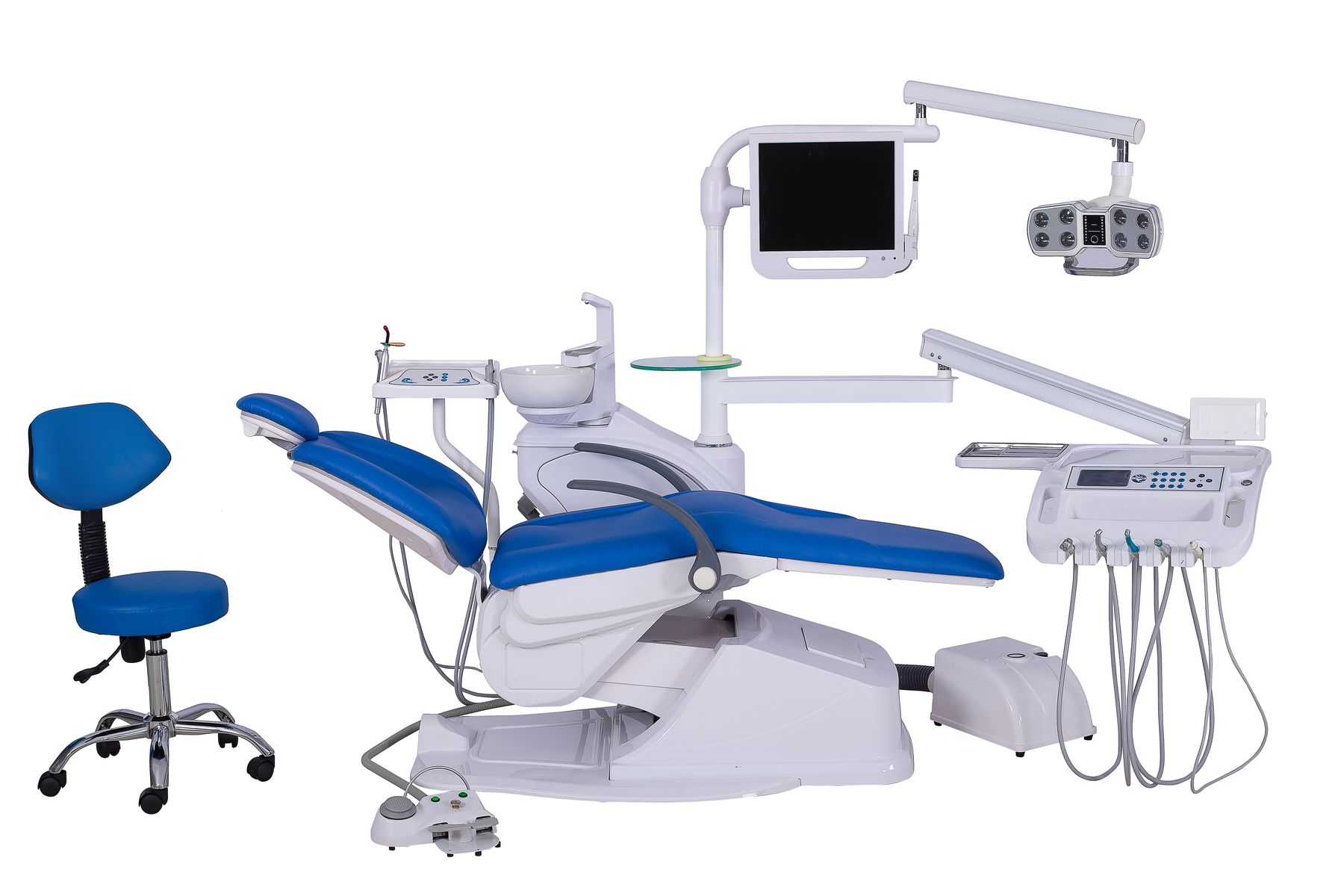
Hydraulic vs Electric Dental Chairs: Which to Stock
Hydraulic and electric drives are both used from entry-level to premium chairs. A dealer's comparison of cost, positioning, noise, maintenance and spare parts — compare the model, not the drive type.