
Dental Suction Systems Explained: Wet-Ring vs Dry
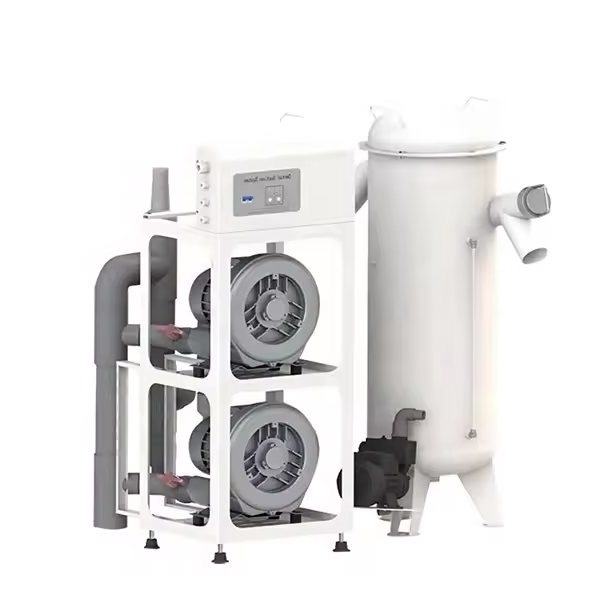
More installation delays come from suction than from any other part of a dental unit. The chair arrives, the plumber discovers the clinic has no floor drain, and the opening slips by a month. Here is what to settle before the container leaves.
Two circuits that are not interchangeable
| Wet-ring suction | Dry suction | |
|---|---|---|
| How it works | Water-sealed pump; water and aspirate drain together | Air/liquid separated at the chair; pump moves air only |
| Water use | Continuous | Very low |
| Purchase price | Lower | Higher |
| Best for | Clinics with reliable mains water and a floor drain | Markets with intermittent or metered water; upper-floor clinics |
| Plumbing | Floor drain usually required | Can be plumbed to a wall trap |
Mobile, single-chair or central
- Mobile suction unit — a wheeled pump with a bottle, no plumbing. For one chair, outreach and clinics in rented rooms.
- Single-chair suction — a compact pump under or beside the unit.
- Central suction — one pump and separator serving three to five chairs through a pipe network; the standard for multi-chair clinics.
Five things to confirm before shipping
- Hose diameters on the chair side (saliva ejector and high-volume evacuator).
- Whether the unit ships with a saliva ejector only, or with a high-volume evacuator as well.
- Floor drain or wall trap.
- Water availability and pressure at the clinic — this decides wet or dry.
- Amalgam separator requirement in the destination country.
VOTEN supplies mobile, single-chair and central suction (dry or wet-ring) and will confirm the hose and drain configuration on the proforma invoice so nothing is discovered at installation.
Talk to the factory
Specifications confirmed in writing, packing data and distributor pricing within one business day.
Related
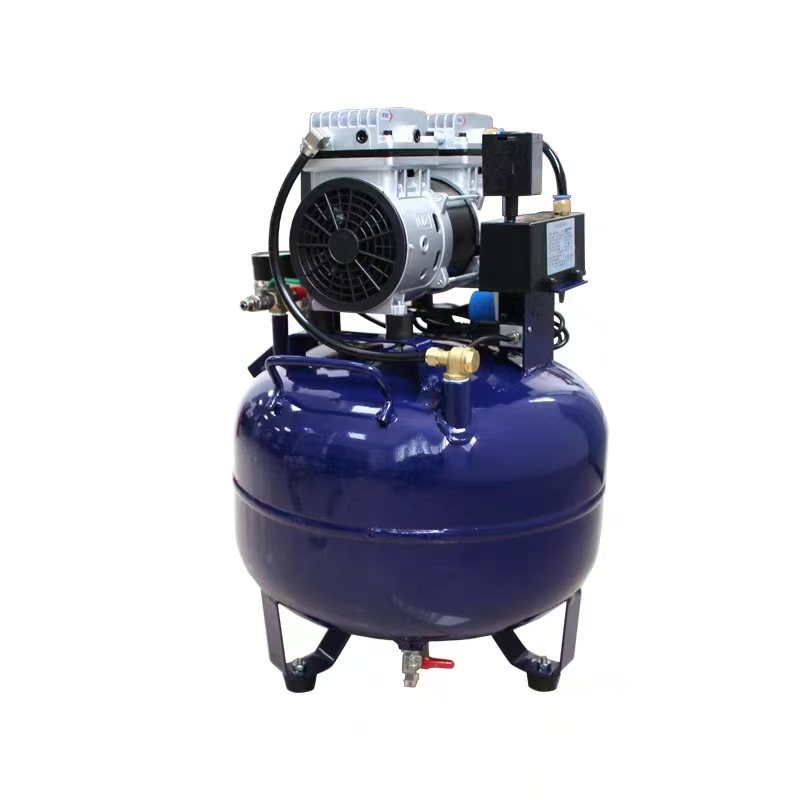
Dental Air Compressor Sizing Guide
Free air delivery, not tank size, decides whether a compressor can run the chairs. How to size for one to six chairs, and why the air dryer is not optional in humid markets.
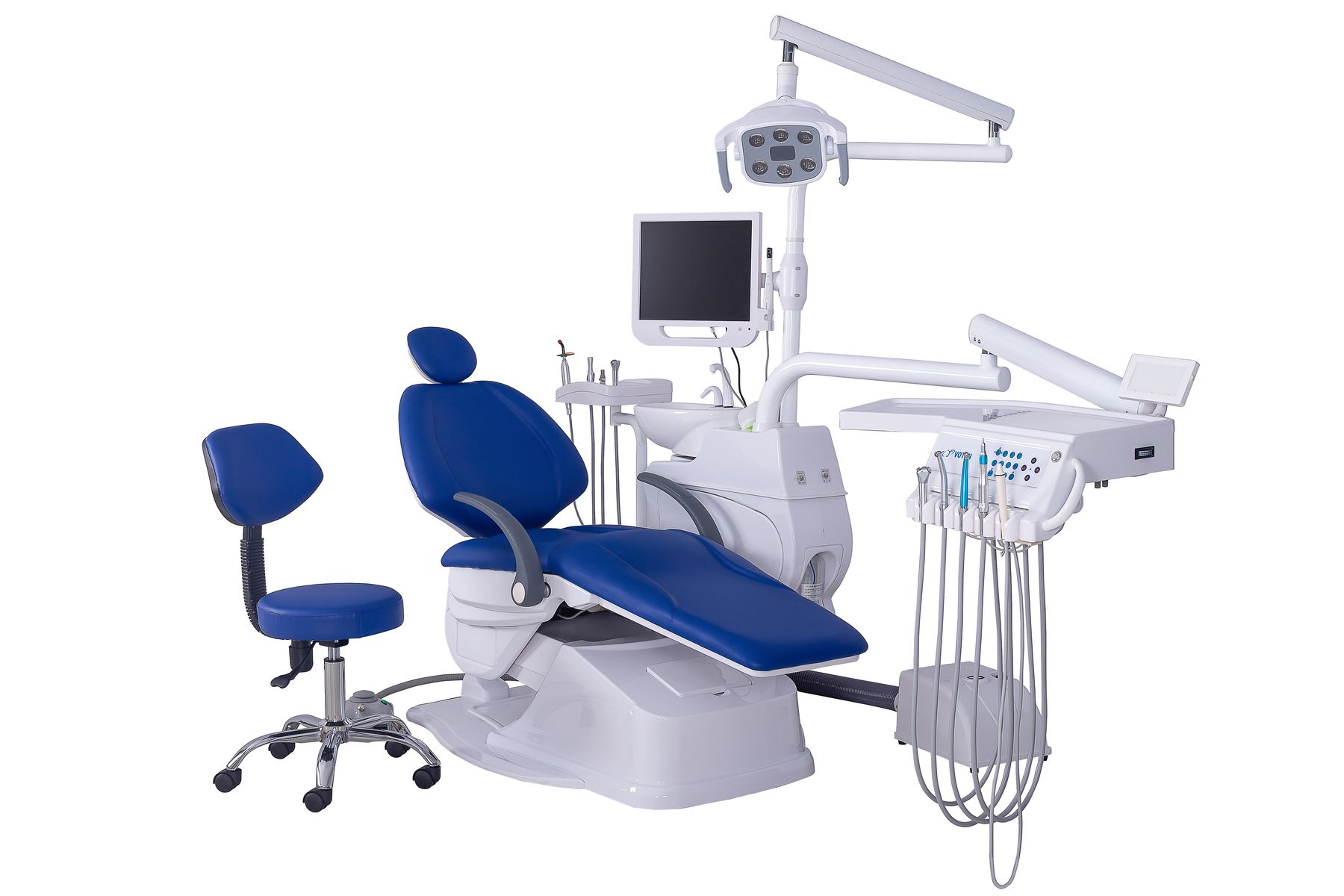
Dental Unit Explained: What a Dental Chair Is Made Of
The seven sub-assemblies inside every dental unit — chair, delivery system, light, spittoon, suction, control board and foot control — what each does, what fails first, and what to specify when you buy.
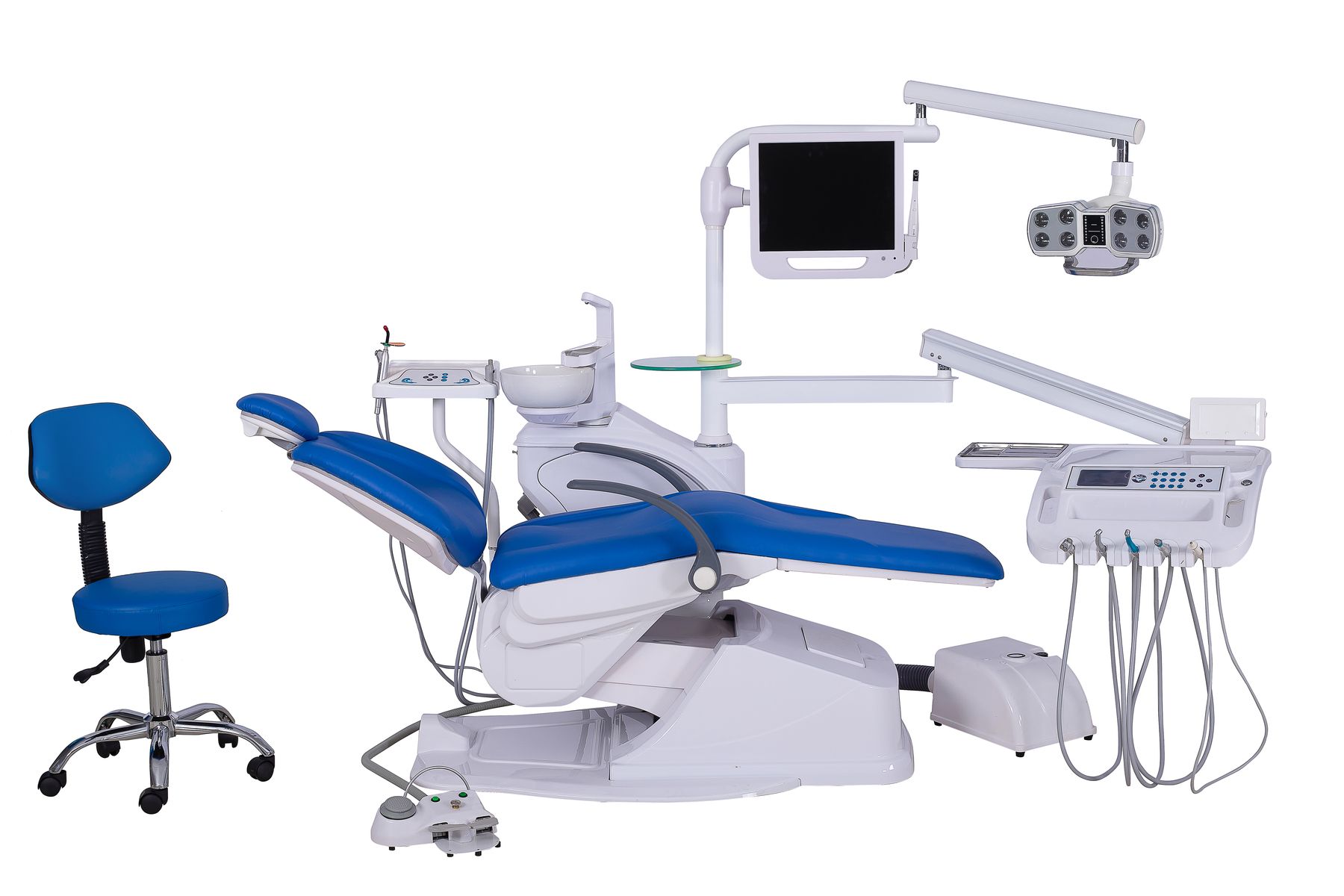
Hydraulic vs Electric Dental Chairs: Which to Stock
Hydraulic chairs cost less; electric chairs position better and survive hot climates. A dealer's comparison of cost, noise, positioning, maintenance and spare parts.