
Published 12 October 2026
Kenya's National Oral Health Policy 2022–2030 sets a clear goal: a functional dental clinic in every Level 4 hospital and above, and in half of Level 3 facilities. The country has roughly one licensed dentist per 100,000 people, two universities recognised to train them, and a private sector in Nairobi, Mombasa and Kisumu that installs most of the new chairs. Nearly all of that equipment is imported, and China is Kenya's largest single source of goods.
Bringing a dental chair into Kenya means working on two tracks at once: the Pharmacy and Poisons Board (PPB) registers the device, while KEBS and the Kenya Revenue Authority control each shipment. This guide sets out both, in the order a dealer meets them.
Kenyan rules change, and a new health-products regulator has been under discussion in Parliament for several years. Treat this as a planning framework and confirm the current requirements with your local representative and clearing agent before you commit to a shipment.
The legal framework
Medical devices are regulated by the PPB under the Pharmacy and Poisons Act and the Pharmacy and Poisons (Registration of Health Products and Technologies) Rules, 2022 (Legal Notice 100 of 2022), in force since June 2022. Rule 3 is the one that matters: no health product or technology may be imported, manufactured or sold in Kenya unless it is registered. The PPB's guideline on the registration of medical devices sets out the classes, routes and documents.
A bill to replace the PPB with a new Kenya Health Products and Technologies Regulatory Authority passed the National Assembly in December 2024 and was still before the Senate in 2026. Until it becomes law, the PPB remains the regulator and the 2022 Rules apply.
How Kenya classes dental equipment
Devices are classed A (lowest risk) to D under rules that follow the IMDRF model, and the manufacturer proposes the class in the application. The PPB guideline does not name dental devices, so the classes below are our reading of the general rules — your local representative confirms them with the PPB:
| Device | Likely class |
|---|---|
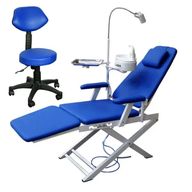
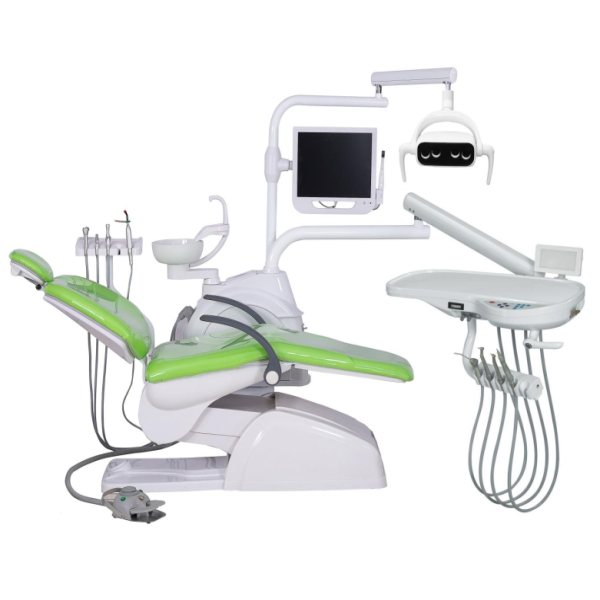
| Dental patient chair on its own | A |
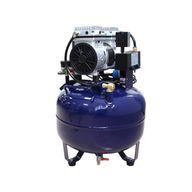
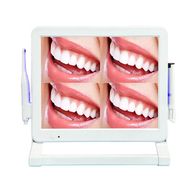
| Intraoral camera, dental air compressor | A |
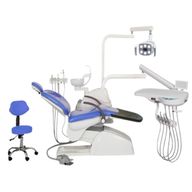
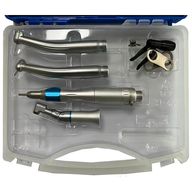
| Dental treatment unit with handpieces and suction | B |
| Dental suction unit | B |
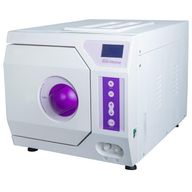
| Steam steriliser (autoclave) | B |
Registration routes
- Class A — registered and listed through the PPB products portal without a formal evaluation route. It is still a registration, not a notification: the PPB asks for the letter of authorisation, labels and instructions, ISO 13485, approval in the country of origin and the PVoC certificate or certificate of conformity.
- Class B — a full evaluation, or an abridged route for devices already approved by at least two reference agencies, plus expedited and immediate routes for products with the right approvals.
- Class C and D — full or abridged (at least three reference approvals) or expedited. Not relevant to dental chairs.
The PPB's reference agencies are the US FDA, Health Canada, Australia's TGA, Japan's MHLW, Swissmedic, Ireland's HPRA, Saudi Arabia's SFDA and the EU notified bodies. A CE certificate counts as one reference approval, so a Class B dental unit with CE alone normally goes the full route; China's NMPA is not on the list. Plan on several months for a Class B evaluation.
A registration is valid for five years, with an annual retention fee, and renewals should be filed at least two months before expiry. Devices registered in 2018–2019 had to be re-registered by 1 January 2026, so if you are taking over an existing product line, check its certificate date.
The local authorised representative
A manufacturer outside Kenya cannot apply on its own. Rule 4 requires it to appoint a local authorised representative — a Kenyan citizen, a permanent resident or a Kenya-registered company — holding a valid PPB licence such as a wholesale or medical-device dealer's licence. In practice this is the dealer or importer. The PPB guideline expects one exclusive representative per product line, appointed with a letter of authorisation on the PPB template, on the manufacturer's letterhead, signed and stamped. Changes of representative are notified to the PPB within seven days.
The registration holder also needs a pharmacovigilance contact — a PPB-licensed pharmacist resident in Kenya — under the 2022 pharmacovigilance rules (Legal Notice 96 of 2022). Larger dealers already have one; a new importer should arrange this before filing.
Legalisation: Kenya is not an Apostille country
Kenya has not joined the Hague Apostille Convention, so a Chinese document that has to be legalised — typically the letter of authorisation or a Free Sale certificate — goes through notarisation in China, authentication by the Ministry of Foreign Affairs or a provincial foreign affairs office, and legalisation by the Kenyan embassy in Beijing. The PPB template does not itself say the letter must be legalised; ask your representative early, because the consular chain takes a few weeks.
Each shipment: KEBS PVoC
Medical equipment is inside Kenya's Pre-Export Verification of Conformity (PVoC) programme. The PVoC manual (version 15, February 2026) exempts only pharmaceuticals and a short list of medical consumables; dental chairs, units, compressors, sterilisers and cameras need a Certificate of Conformity (CoC) issued in China before loading. For medical equipment the inspection agent verifies the shipment against the manufacturer's test reports from an ISO 13485 quality system and the PPB registration, and KEBS can ask the importer for the Free Sale certificate at the port.
Since 19 February 2026 the appointed agents for China are CCIC, CHIC, QISJ, ASTC, Intertek, Cotecna, TÜV Rheinland and Bureau Veritas. A shipment that arrives without a CoC is inspected and tested at destination at the importer's cost and attracts a penalty, and goods that fail are re-exported or destroyed. We coordinate the inspection at our factory with the agent your importer or forwarder nominates.
Customs: IDF, certificate of origin and VAT
- Import Declaration Form. Every import needs an IDF, lodged by the clearing agent on the National Electronic Single Window System run by KenTrade (formerly TradeNet). The commercial invoice and packing list must match it.
- Certificate of origin. Since 1 October 2025 KRA requires a certificate of origin issued by a competent authority in the exporting country for every commercial import (Tax Procedures Act section 44A); the Finance Act 2026 kept the rule. Where it is missing, KRA may accept alternatives such as the PVoC certificate or the Chinese export declaration — but plan on supplying the certificate.
- Duty. Kenya applies the East African Community common external tariff. We do not publish duty rates; your clearing agent confirms the tariff line — 9402.10 for a dental chair, 9018.49 for a dental unit, 8414 for a compressor, 8419.20 for a steriliser — and the landed cost, including the Import Declaration Fee and Railway Development Levy.
- VAT. The standard rate is 16 percent. The VAT Act's First Schedule exempts dental instruments and appliances under 9018.41 and 9018.49 and bench-top sterilisers under 8419.20. Dentists' chairs under 9402 are not on the exempt list, so a chair invoiced on its own normally bears VAT — another reason to agree the tariff classification of a complete dental unit with your agent before you invoice.
Wi-Fi products: Communications Authority type approval
A Wi-Fi or Bluetooth intraoral camera, or a camera computer with built-in Wi-Fi, is also radio equipment. The Communications Authority of Kenya requires type approval before such equipment is supplied, and the applicant is a Kenyan dealer licensed by the CA. The current application form lists Wi-Fi as a short-range device and asks for the manufacturer's authorisation, English test reports from an ISO 17025 laboratory and a sample. No exemption for medical devices has been published, so plan both the PPB registration and the CA type approval for wireless models; wired cameras need only the PPB.
Labelling and used equipment
- Language. Labels and instructions in English are accepted; we have found no Swahili requirement for professional equipment.
- Used and refurbished equipment. There is no separate refurbishment route at the PPB — a company that fully refurbishes a device is treated as its manufacturer — and used goods go through the stricter PVoC route with inspection and testing of every consignment. For a clinic, new equipment is almost always the simpler path.
Public tenders
Kenyan public procurement gives preference to goods made or assembled in Kenya and to Kenyan-owned firms, and some smaller tenders are reserved for them. KEMSA buys centrally for the Ministry of Health and county governments run their own tenders. Imported chairs therefore sell mainly to private clinics, faith-based hospitals and private hospitals; a dealer who holds the registrations can bid for county tenders where the rules allow.
Power: plan for outages
Kenya Power's nominal supply is 240 V / 50 Hz, with British-style Type G sockets. Equipment rated 220–240 V / 50 Hz works; tell us your supply is 240 V and the electrical specification is confirmed on the proforma invoice.
Reliability is the bigger issue. The energy regulator EPRA reported about 8.4 hours of outages per customer per month in the first half of 2025/26, against a benchmark of 1.5 hours, and the grid suffered a nationwide blackout on 29 July 2026. Run the chair's control unit through a stabiliser or UPS, size any generator for the compressor's starting current rather than the chair, and choose an oil-free compressor with a dryer for Mombasa's humidity.
Transport
Our factory is in Foshan, an hour from the container ports of Guangzhou (Nansha) and Shenzhen. Direct services to Mombasa are scheduled at about 20 days from Nansha and around 24–27 days from Shanghai and Qingdao; the route from Asia does not pass the Red Sea. From Mombasa, containers for Nairobi travel on the standard gauge railway to the Embakasi Inland Container Depot, or by road in about a day. A single chair goes as LCL; a first order for resale is usually a 20 ft container. Small items can fly to Nairobi in about a week.
After the sale
The registration holder reports serious device incidents to the PPB promptly, reports product defects or suspected falsified products within 24 hours, notifies quality defects or regulatory action in other countries within seven days, and starts recalls within 24 hours with weekly progress reports, through the PPB's pharmacovigilance portal. In practice: serial-number records of every unit installed, spare parts in the country and a technician who can reach the clinic.
What to ask your factory for — a supplier checklist
- ISO 13485 certificate, CE certificate and declaration of conformity for the dental units, covering the exact model numbers.
- Letter of authorisation on the PPB template naming your company as local authorised representative — legalised through the Kenyan embassy if your representative asks for it.
- Free Sale certificate or other proof of approval in the country of origin.
- Labels and instructions for use in English; the technical description for the registration file.
- Test reports for the PVoC inspection, and the inspection itself coordinated at the factory before loading.
- For Wi-Fi products: radio test reports from an ISO 17025 laboratory and a sample for CA type approval.
- Certificate of origin, commercial invoice and packing list matching the IDF and the tariff lines agreed with your agent.
- Electrical specification — 220–240 V / 50 Hz — on the proforma invoice, and the compressor's running and starting current for sizing backup power.
Planning the timeline
- Appoint the representative and prepare the legalised letter of authorisation — a few weeks for the consular chain.
- Register: Class A products (chair, camera, compressor) first; Class B products (dental unit, suction, autoclave) through the full route — several months.
- Each shipment: IDF opened, PVoC inspection at the factory, certificate of origin, loading — then about three weeks at sea.
- Every five years: renew at least two months before expiry; pay the retention fee every year.
Working with VOTEN on Kenyan orders
VOTEN Medical manufactures dental chairs, dental units, compressors and clinic equipment in Foshan, China, and supplies clinics and dealers in Kenya through an authorised distributor. For a Kenyan importer we provide the ISO 13485 and CE certificates for the dental units, the declaration of conformity, the letter of authorisation on the PPB template, the Free Sale certificate, English labelling and instructions, test reports for the PVoC inspection and the certificate of origin; the chairs and compressors ship in the 220–240 V / 50 Hz version.
If you are planning a first order for Kenya, send us your model list and your city and we will come back with the document pack, specifications, packing data and distributor pricing. Our Kenya page covers the market, the electrical version and transport in more detail; the equipment range is on our dental chair and products pages.
Sources: Registration of Health Products and Technologies Rules, 2022; PPB, guidelines for registration of medical devices; PPB, notice on re-registration of medical devices; Pharmacovigilance rules, 2022; Parliament of Kenya, bills tracker (April 2026); KEBS PVoC manual, version 15 (2026); KEBS PVoC contracts from February 2026; KRA, mandatory certificate of origin; PwC, Finance Act 2026; VAT Act 2013, First Schedule; CA type approval regulations; HCCH, Apostille Convention status table; Kenya Power technical specification (240 V / 50 Hz); EPRA outage figures (2026); CMA CGM Far East–Kenya service; Kenya National Oral Health Policy 2022–2030; Kenya National Oral Health Strategic Plan 2022–2026; Business Daily, imports from China (2025).
Talk to the factory
Specifications confirmed in writing, packing data and distributor pricing within one business day.
VOTEN in Kenya — local distributor, which voltage version to order, shipping times to Mombasa and the questions buyers there ask most.
Related
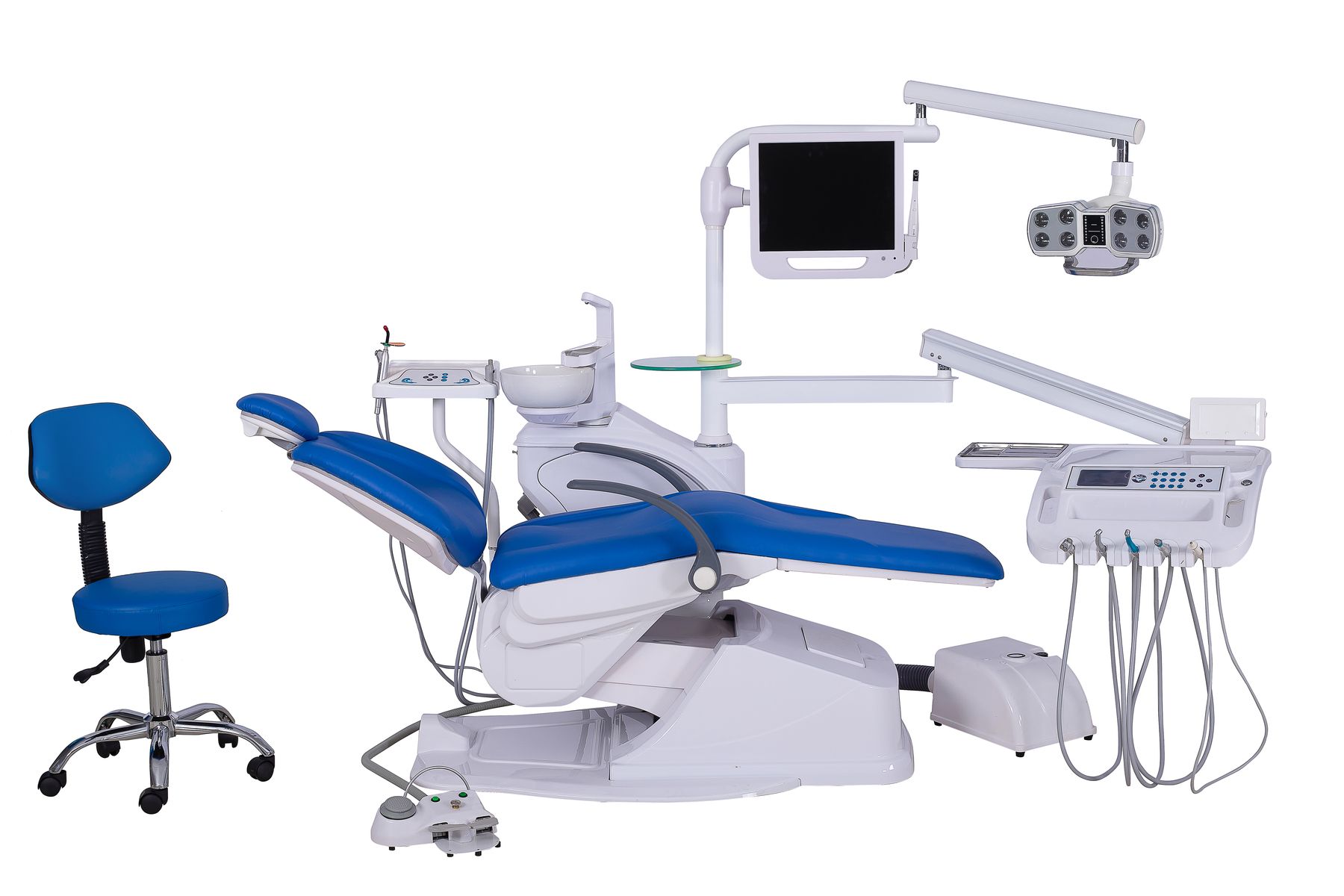
Dental Equipment Import Requirements by Country (2026): 15 Markets Compared
One table for dealers who buy dental chairs, units, compressors and autoclaves from China: which regulator approves them, how a dental chair is classed, who must hold the registration, Apostille or embassy legalisation, pre-shipment checks, Wi-Fi approvals, mains voltage, VAT and sailing times from South China — for Mexico, Colombia, Peru, Brazil, Nigeria, Kenya, South Africa, Egypt, Morocco, Saudi Arabia, the UAE, the Philippines, Indonesia, Vietnam and Thailand.
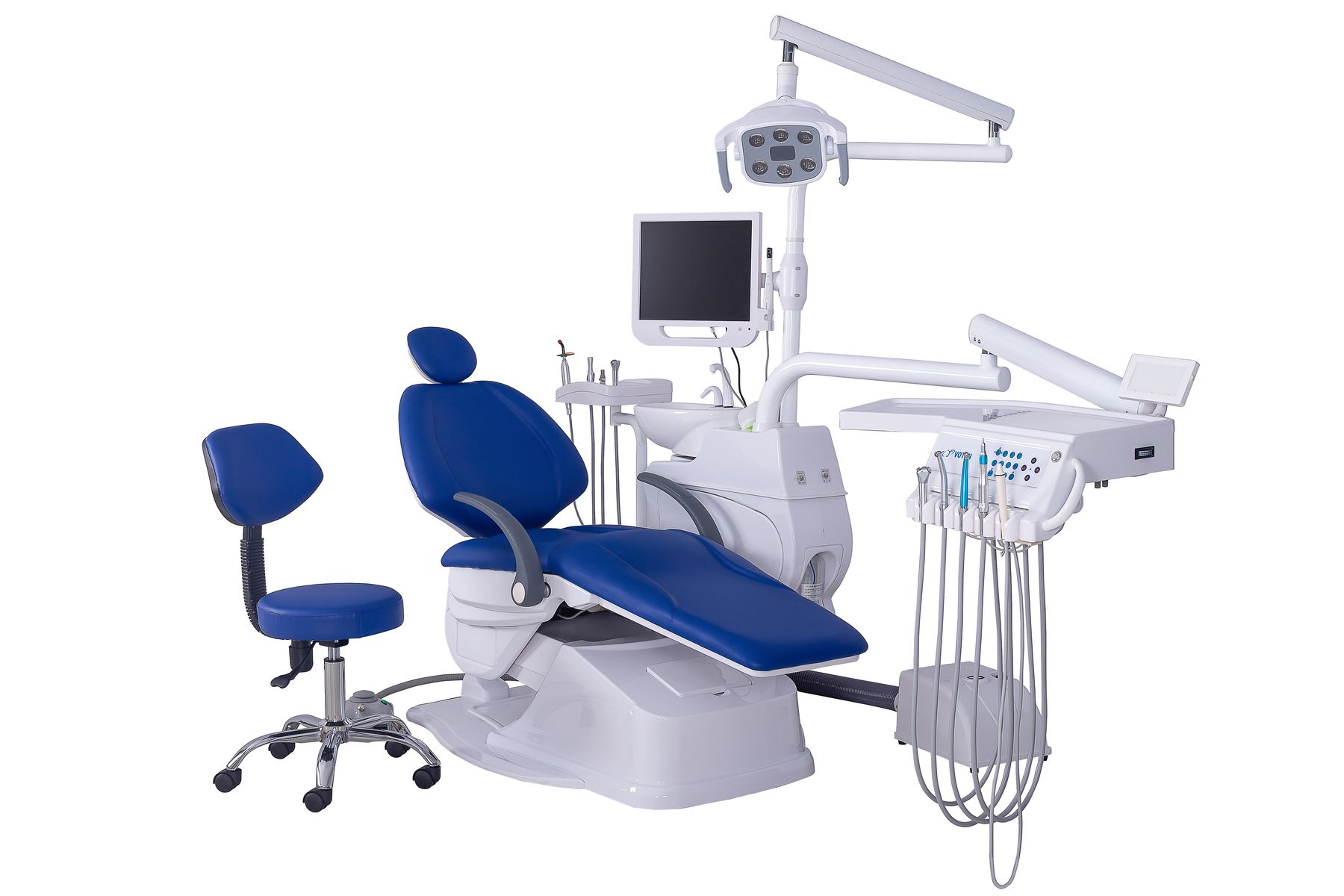
Importing Dental Equipment into Morocco: AMMPS Registration, Spare-Parts Authorisation and Customs Guide
What a Moroccan dealer needs to import dental chairs and clinic equipment: Law 84-12 and the new AMMPS, device classes, the establishment declaration, the registration file and DES-DM submission, the 2026 spare-parts authorisation, the ban on used dental equipment, ANRT approval for Wi-Fi devices, PortNet, VAT, apostille and shipping to Tanger Med.
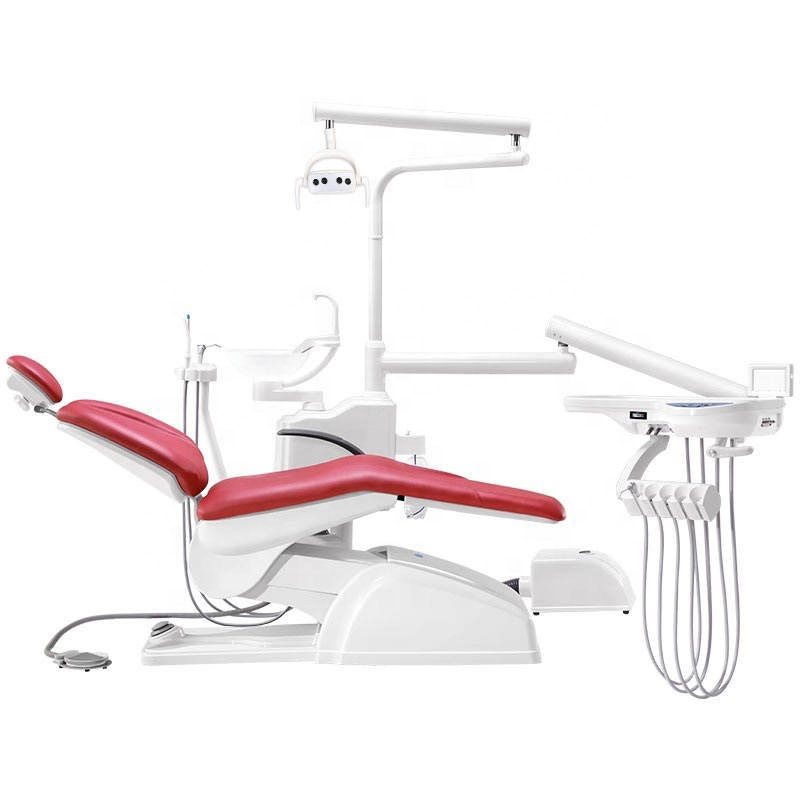
Importing Dental Equipment into Thailand: Thai FDA Notification, Import Licensing and Customs Guide
What a Thai dealer needs to import dental chairs and clinic equipment: how the Thai FDA classes dental devices, listing and detailed notification, the import establishment registration, the dossier and the abridged route, English labelling for professional devices since June 2026, licence per invoice, NBTC rules for Wi-Fi devices, Form E, VAT and transport.