
Published 12 October 2026
Morocco's medical device market is worth around 7 billion dirhams (about €650 million) a year and growing by roughly 5 percent, and 85–90 percent of it is supplied by imports. Most dental care is delivered by private practices, health-insurance coverage under the AMO scheme has nearly tripled since 2021, and clinics in Casablanca, Marrakech and Agadir also treat patients who come from Spain and France.
The rules are also changing. A new agency, the AMMPS, has been taking over from the health ministry's medicines directorate since 2025, and in 2026 it added a separate authorisation for spare parts and confirmed that used dental equipment cannot be imported. This guide sets out the steps a dealer meets, in order.
AMMPS procedures are still being reorganised. Treat this as a planning framework and confirm the current requirements with your importer and your transitaire before you commit to a shipment.
The legal framework and the AMMPS
Medical devices are governed by Law 84-12 on medical devices (Dahir 1-13-90 of 2013) and its implementing Decree 2-14-607 of 2014. The law requires every device to be registered before it is placed on the market (article 12) and every importer or distributor to be declared to the authority before it starts trading (article 7).
The authority used to be the Direction du Médicament et de la Pharmacie (DMP). Law 10-22 of 2023 created the Agence marocaine des médicaments et des produits de santé (AMMPS), and references to the DMP in the law now read as references to the agency. The handover has happened in stages — a first board meeting in January 2025, DMP staff seconded from June 2025, further transfers through 2026 — rather than on a single date. The AMMPS's registration committee is active: it registered 635 devices in February 2026 and 1,137 in April 2026.
How Morocco classes dental equipment
Law 84-12 uses the European classes I, IIa, IIb and III, and the AMMPS registers products with the classes shown on the manufacturer's CE certificate. Applying the EU rules:
| Device | Usual class |
|---|---|
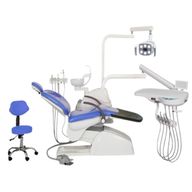
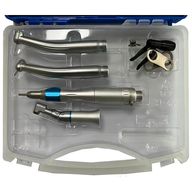
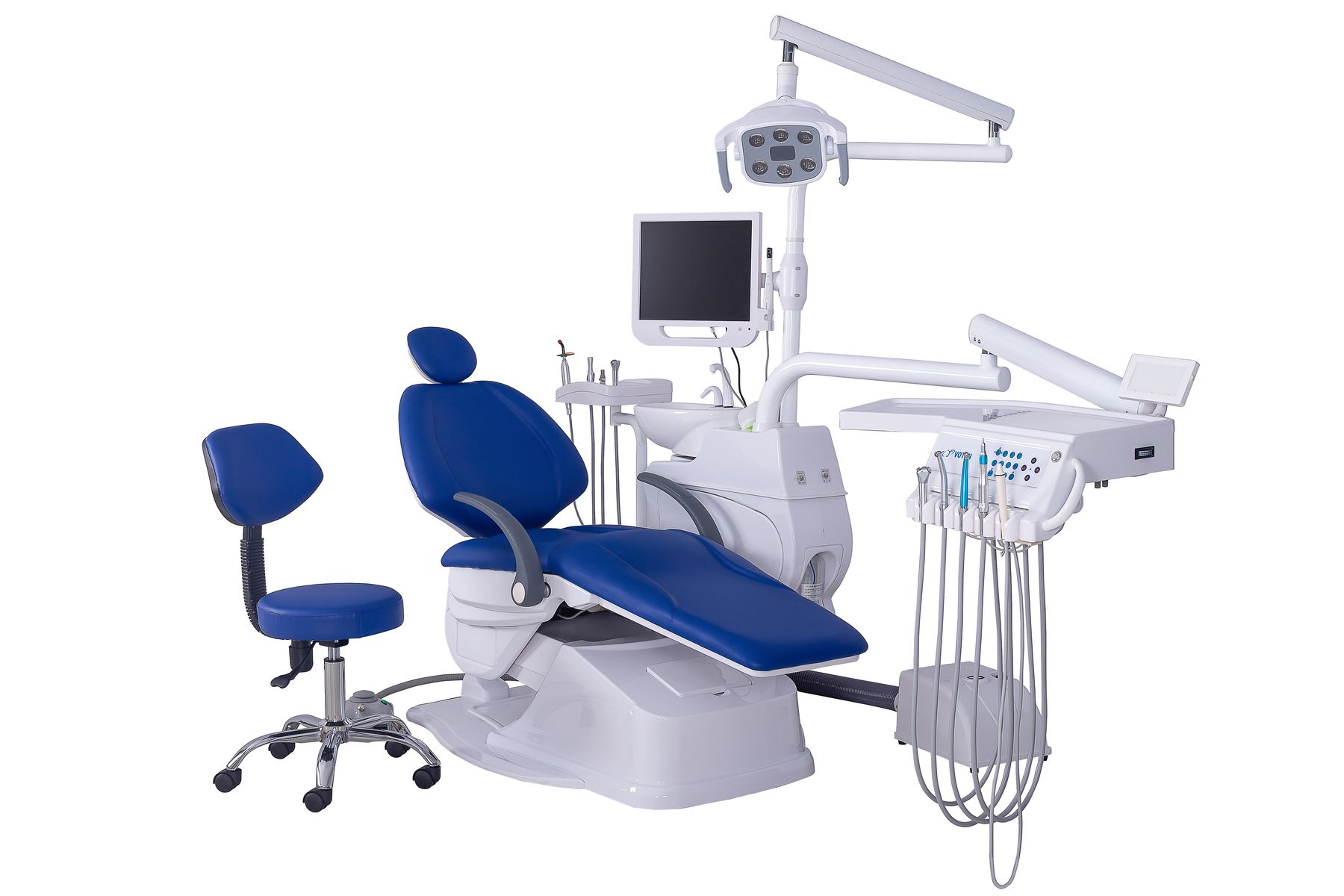
| Dental treatment unit with handpieces | IIa |
| Dental suction unit | IIa |
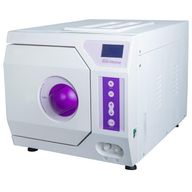
| Steam steriliser (autoclave) | IIa |
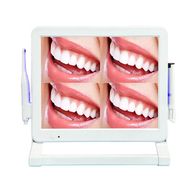
| Intraoral camera (visible light) | I |
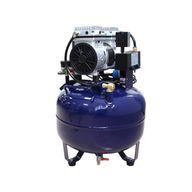
| Dental air compressor | I or IIa, as on the CE certificate |
A steam steriliser for medical devices is Class IIa under the EU rules, not IIb; the higher class applies to disinfectants and washer-disinfectors for invasive devices.
Step 1: the declared establishment
A foreign manufacturer cannot hold a Moroccan registration. The certificate is issued to a Moroccan manufacturing or import establishment that has filed its declaration with the authority; if the authority does not object within 90 days, the declaration is deemed accepted. A new checklist for the declaration (form DE RD-IS-PS/04) applies from 11 May 2026. In practice the dealer or importer is the declared establishment, and transferring a registration to another holder needs approval — so choose your partner with that in mind.
Step 2: the registration file
The AMMPS registration checklist (form DE ER DM/01, version 9, in use since January 2025) asks for:
- an application letter and a product information sheet (fiche signalétique);
- the manufacturer's authorisation of the Moroccan establishment;
- for Class Is, Im, IIa and above, a CE certificate, US FDA evidence, or a Free Sale certificate or equivalent from the country of origin;
- for Class IIa and above, the manufacturer's ISO 13485 certificate;
- the declaration of conformity;
- draft labelling and instructions for use, the user manual and technical description;
- colour photographs and a colour catalogue;
- a copy of the establishment's declaration.
The checklist states that a full technical file is not required for imported devices; clinical data is asked for only in Class III. The decree gives the authority 120 days from a complete file to decide, and a registration is valid for five years, renewable.
How the file is submitted. Medical-device files are still prepared in the AMMPS's offline DES-DM software and submitted on a disc; the agency's Tarkhiss online platform, launched in March 2026, covers cosmetics, not devices. Expect that to change, and check with your importer.
Language. Neither the law nor the checklist fixes a language for professional equipment. French is the working language of the agency and of Moroccan clinics, so supply labels and instructions in French; Arabic is used for products sold to the public.
The AMMPS also issues specific authorisations to import samples for registration testing and exhibition samples for foreign companies at trade fairs — useful for a dealer who wants to show a chair before it is registered.
New in 2026: spare parts need their own authorisation
By a decision of 3 July 2026, the AMMPS requires a specific import authorisation for spare parts intended for the maintenance of registered medical devices (form DE RD DM/10). Only the Moroccan holder of the device's registration can apply. The file includes a manufacturer's statement, the list of parts — which must be the same as those of the registered device — a proforma invoice, a sworn declaration and a copy of the registration certificate. The authorisation is valid for two years. Customs had already been asking for it in the months before the decision.
For a dental dealer this means building the spare-parts list into the registration plan: the parts kit that comes with the first container and every later parts shipment travel under this authorisation.
Used equipment: not for dental chairs
Law 84-12 allows used devices only on a published list. A ministerial order of March 2026 (No. 630-26) opened that list to Class IIb and III imaging and radiotherapy equipment — dental X-ray included — on condition that the model was first registered in Morocco as new and has used no more than half of its rated life. Used dental chairs, units, compressors and sterilisers remain outside the list and cannot be imported.
Wi-Fi products: ANRT approval
A Wi-Fi or Bluetooth intraoral camera, or a camera computer with built-in Wi-Fi, is radio equipment, and radio equipment sold in Morocco needs type approval (agrément) from the ANRT, the telecommunications regulator. The importer applies through PortNet using EU or FCC test reports, the approval runs for about ten years, and the ANRT approval number goes on the label. We have found no exemption for medical devices, so plan both the AMMPS registration and the ANRT approval for wireless models.
Medical electrical equipment is excluded from Morocco's CMIM low-voltage and EMC orders and is controlled through the AMMPS instead — but a compressor sold as general industrial equipment rather than as a medical device falls under CMIM marking. Register the dental compressor as a medical device.
Customs, PortNet and VAT
- Import commitment. Every import needs an engagement d'importation, filed on the PortNet single window and domiciled with the importer's bank before payment.
- Registration at the border. Customs releases medical devices against the AMMPS registration certificate; an unregistered device is held.
- Trade agreements. Morocco has free-trade agreements with the EU, the US, Turkey and the Arab countries of the Agadir and GAFTA agreements, but not with China; China proposed one in June 2026 and no negotiations had begun. We do not publish duty rates; your transitaire confirms the tariff line — 9402.10 for a dental chair, 9018.49 for a dental unit, 8414 for a compressor, 8419.20 for a steriliser — and the landed cost, including the parafiscal import levy (TPI).
- VAT on imports is 20 percent. The 2024 finance law exempted medicines, but medical devices — dental equipment included — remain at the standard rate.
- Documents. Morocco and China are both parties to the Hague Apostille Convention (Morocco since 2016, China since November 2023), so Chinese documents that need legalising — the letter of authorisation, a Free Sale certificate — need only an apostille.
Public tenders
Morocco's public procurement decree (2-22-431, in force since September 2023) gives a national preference against bidders not established in Morocco and reserves part of contract value for Moroccan small businesses, and a 2026–2030 industry framework agreement promotes devices made in Morocco. Imported dental chairs therefore sell mainly to private clinics and private hospitals — the segment growing fastest as AMO coverage widens.
Power and the clinic
Morocco's supply is 220 V / 50 Hz with Type C and E (French) sockets, so the standard 220 V / 50 Hz version of our chairs and compressors is the right one, with a Type C or E plug. Supply is stable in the cities; a stabiliser on the chair's control unit is cheap insurance, and an oil-free compressor with a dryer suits the humid Atlantic coast.
Transport in 2026
Our factory is in Foshan, an hour from the container ports of Guangzhou (Nansha) and Shenzhen. Tanger Med, Africa's largest container port, sits on the Asia–Europe route; Casablanca is the main commercial port for the centre of the country, usually reached by transhipment.
- Via Suez: about 22–30 days from South China to Tanger Med.
- Via the Cape of Good Hope: about 32–42 days. After the 2026 Gulf conflict most carriers diverted round Africa; MSC began returning some Asia–Mediterranean services to Suez from late August 2026 and Maersk and Hapag-Lloyd from September, subject to security.
- Casablanca: allow another 5–10 days for transhipment.
Ask your forwarder which routing a sailing takes before you promise a delivery date. A single chair goes as LCL; a first order for resale is usually a 20 ft container. Small items can fly to Casablanca in about a week.
After the sale
Under Law 84-12, manufacturers, importers, distributors and users must report incidents to the materiovigilance service within 48 hours, and the AMMPS can order a recall or suspend a registration. In practice: serial-number records of every unit installed, the spare-parts authorisation in place, parts in the country and a technician who can reach the clinic.
What to ask your factory for — a supplier checklist
- CE certificate and declaration of conformity for the dental units, covering the exact model numbers, and the ISO 13485 certificate.
- Authorisation of your Moroccan establishment, apostilled.
- Free Sale certificate where the CE certificate does not cover a product.
- Labels, instructions for use and user manual in French; technical description; colour photographs and catalogue.
- The spare-parts list and manufacturer's statement for the spare-parts authorisation.
- For Wi-Fi products: EU or FCC radio test reports for the ANRT approval.
- Electrical specification — 220 V / 50 Hz, Type C or E plug — on the proforma invoice.
- Certificate of origin, commercial invoice and packing list matching the tariff lines agreed with your transitaire.
Planning the timeline
- A new importer: file the establishment declaration first — up to 90 days.
- Registration: prepare the DES-DM file for each device; the decision is due within 120 days of a complete file.
- Spare parts: apply for the two-year spare-parts authorisation once the device is registered.
- Each shipment: import commitment on PortNet, then about 22–42 days at sea depending on the routing.
- Every five years: renew the registration.
Working with VOTEN on Moroccan orders
VOTEN Medical manufactures dental chairs, dental units, compressors and clinic equipment in Foshan, China, and supplies clinics and dealers in Morocco through an authorised distributor. For a Moroccan importer we provide the CE certificates and declarations of conformity for the dental units, the ISO 13485 certificate, the apostilled authorisation, French labelling and instructions, photographs and catalogue, the spare-parts list for the AMMPS authorisation and the certificate of origin; the chairs and compressors ship in the standard 220 V / 50 Hz version.
If you are planning a first order for Morocco, send us your model list and your city — in French if you prefer — and we will come back with the document pack, specifications, packing data and distributor pricing. Our Morocco page covers the market, the electrical version and transport in more detail; the equipment range is on our dental chair and products pages.
Sources: Law 84-12 on medical devices; Decree 2-14-607; Law 10-22 creating the AMMPS; Médias24, AMMPS handover (2025); AMMPS, registration committee (February 2026); AMMPS, registration checklist DE ER DM/01; AMMPS, establishment declaration checklist; AMMPS, DES-DM user manual; AMMPS, spare-parts import authorisation DE RD DM/10; Médias24, spare-parts decision (August 2026); Order 630-26 on used imaging equipment; AMMPS, medical device documents; ANRT type approval through PortNet; Office des Changes, import commitment; TelQuel, VAT on medical devices; Morocco World News, China FTA proposal (2026); HCCH, Apostille Convention status table; TelQuel, Moroccan device market (2026); Ministry of Industry, 2026–2030 framework agreement; Baird Maritime, Tanger Med and the Gulf conflict; MSC, Red Sea resumption (August 2026); World Cargo News, Gemini Suez routings (September 2026).
Talk to the factory
Specifications confirmed in writing, packing data and distributor pricing within one business day.
VOTEN in Morocco — local distributor, which voltage version to order, shipping times to Tanger Med or Casablanca and the questions buyers there ask most.
Related
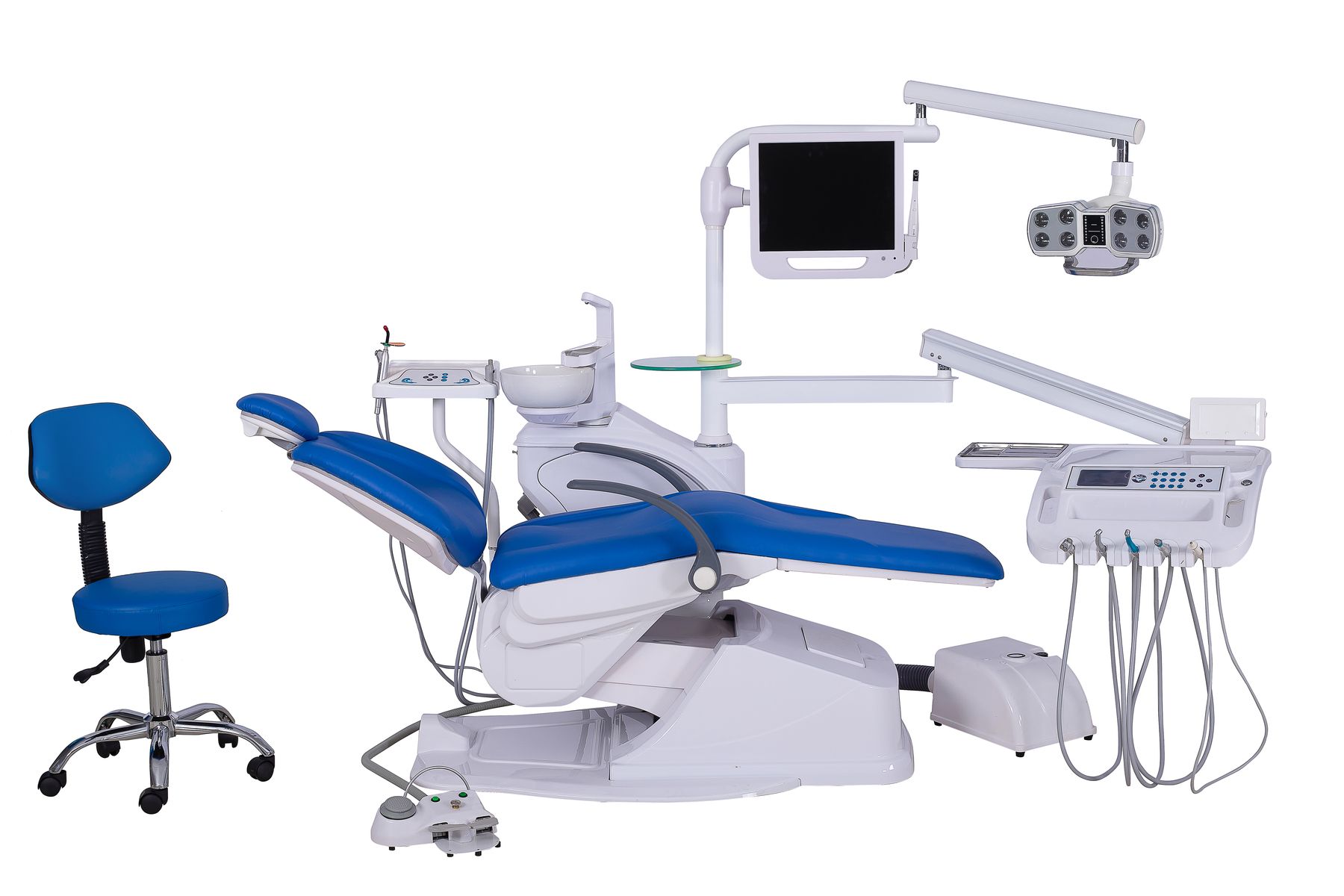
Dental Equipment Import Requirements by Country (2026): 15 Markets Compared
One table for dealers who buy dental chairs, units, compressors and autoclaves from China: which regulator approves them, how a dental chair is classed, who must hold the registration, Apostille or embassy legalisation, pre-shipment checks, Wi-Fi approvals, mains voltage, VAT and sailing times from South China — for Mexico, Colombia, Peru, Brazil, Nigeria, Kenya, South Africa, Egypt, Morocco, Saudi Arabia, the UAE, the Philippines, Indonesia, Vietnam and Thailand.
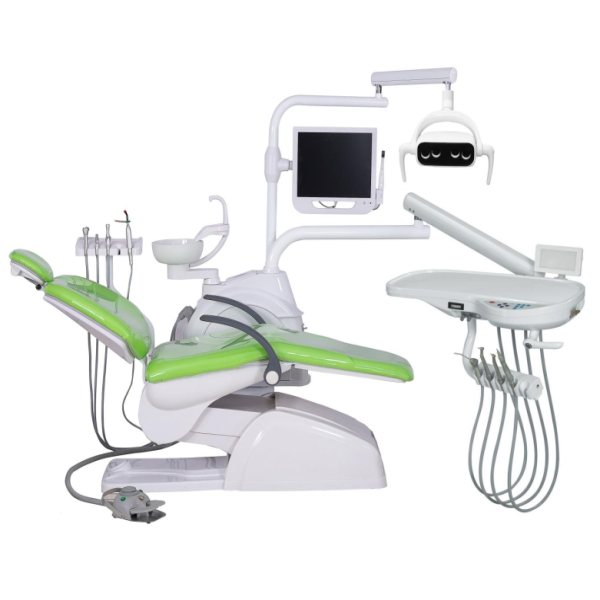
Importing Dental Equipment into Kenya: PPB Registration, KEBS PVoC and Customs Guide
What a Kenyan dealer needs to import dental chairs and clinic equipment: PPB registration and device classes, the local authorised representative, the reference-agency routes, the KEBS PVoC certificate, the IDF and the certificate of origin, VAT on dental lines, Communications Authority approval for Wi-Fi devices, legalisation, power and transport to Mombasa and Nairobi.
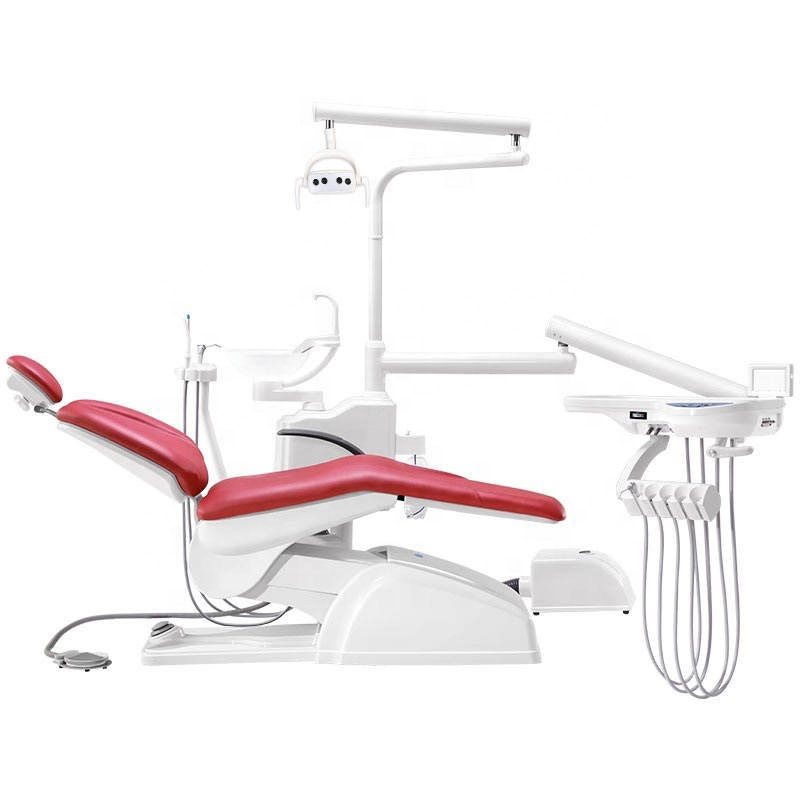
Importing Dental Equipment into Thailand: Thai FDA Notification, Import Licensing and Customs Guide
What a Thai dealer needs to import dental chairs and clinic equipment: how the Thai FDA classes dental devices, listing and detailed notification, the import establishment registration, the dossier and the abridged route, English labelling for professional devices since June 2026, licence per invoice, NBTC rules for Wi-Fi devices, Form E, VAT and transport.