
Published 12 October 2026
Between September and October 2026 we wrote a full import guide for each of the fifteen countries where VOTEN has an authorised distributor, checking every requirement against the regulator's own documents, the customs authority and the carriers' current schedules. This page puts the fifteen side by side. It is for a dealer or a clinic owner who is comparing markets, or who already knows one market well and is about to open a second one: the same dental chair that is a listed Class A product in Nairobi needs an INMETRO certificate before ANVISA will look at it in Brazil, ships with a 60 Hz motor to Jeddah and goes through the Thai FDA with a licence per invoice in Bangkok.
Every line below is taken from the country guide it links to, and each guide cites its primary sources. We do not publish prices or customs duty rates on this site; the tax column shows VAT or sales tax only, because that is the one figure the regulations state plainly. Regulations change — several of the entries below changed in 2026 alone — so treat this page as the map and the country guide as the territory, and confirm the current rule with your registration holder or broker before you order.
How to read the three tables
The first table answers "who approves the equipment and who must hold that approval"; the second, "which documents must be legalised and what happens to each shipment"; the third, "what to order and what the container costs in tax and time". Country names link to our country pages; the fifteen import guides are linked in the regional notes further down. "Dental chair" means the patient chair on its own; "treatment unit" means the chair with its delivery system, handpieces, light and suction — most regulators class the two differently.
Table 1 — Regulator, device class and registration holder
| Country | Regulator and legal basis | Dental chair · treatment unit | What must exist before import | Who holds it |
|---|---|---|---|---|
| Mexico | COFEPRIS; recognition agreement in the Diario Oficial of 18 July 2025 | Three classes; chair and unit generally at the lower end, confirmed per model | Registro sanitario per product; recognition route for IMDRF-regulator approvals targets 30 business days; valid 5 years | A Mexican registration holder — the factory cannot hold it |
| Colombia | INVIMA; Decreto 4725 de 2005 | Powered dental equipment generally Clase IIa | Registro sanitario; Class I / IIa granted on a complete filing (weeks); valid 10 years | The manufacturer through a Colombian legal representative, or the importer; every importer named needs INVIMA's CCAA |
| Peru | DIGEMID (Ministry of Health); Ley 29459, D.S. 016-2011-SA | Low and medium classes; DIGEMID confirms on the dossier | Registro sanitario via VUCE; statutory 60 / 90 / 120 days by class, Class II several months in practice; valid 5 years | A licensed Peruvian droguería, usually the importer; independent holders allowed since 2024 |
| Brazil | ANVISA, RDC 751/2022; INMETRO certification compulsory for electro-medical equipment | Chair Class I · treatment unit Class II — both by notificação | INMETRO conformity certificate first, then ANVISA notification (about 30 days, no expiry) published in the Diário Oficial | A Brazilian company with ANVISA AFE and a named responsável técnico |
| Nigeria | NAFDAC | Not classed in a dental-specific list | NAFDAC registration before marketing; 120-working-day target; commonly 5 years | A Nigerian importer or representative under a notarised Power of Attorney |
| Kenya | Pharmacy and Poisons Board (PPB); Legal Notice 100 of 2022 | Chair Class A · treatment unit Class B; autoclave Class B | PPB registration before import (Rule 3): Class A listed on the portal, Class B full evaluation over several months; valid 5 years with an annual retention fee | A PPB-licensed local authorised representative, plus a resident pharmacovigilance pharmacist |
| South Africa | SAHPRA; Medicines Act 101 of 1965, Medical Device Regulations 2016 | Chair Class A · treatment unit Class B; autoclave Class C | No product registration yet — the importer's Medical Device Establishment Licence listing the products by class and GMDN (6–8 weeks; valid 5 years) | The South African importer, with a resident Authorised Representative |
| Egypt | Egyptian Drug Authority (EDA), Law 151 of 2019; GOEIC importers register; Nafeza customs window | Chair Class I · treatment unit Class IIa | Import approval on MeDevice against the proforma invoice (valid 1 year) or a registration licence (10 years) — nothing ships before it exists | An Egyptian importing company with a GOEIC card and a licensed maintenance centre, or an EDA-licensed scientific office |
| Morocco | AMMPS (Law 10-22, replacing the DMP); Law 84-12, Decree 2-14-607 | Treatment unit Class IIa; autoclave Class IIa | Registration before placing on the market, filed offline in DES-DM; decision within 120 days of a complete file; valid 5 years | A declared Moroccan import establishment |
| Saudi Arabia | SFDA; Medical Devices Law M/54 (2021), MDS-REQ series | Chair Class A · treatment unit usually Class B; autoclave Class B | Medical Device Marketing Authorization (MDMA) on GHAD for every class; 35 working days for Class A; valid up to 3 years; CE is not required and there is no reliance route | A licensed Authorized Representative; AR, importer and each warehouse need SFDA establishment licences |
| UAE | Emirates Drug Establishment (EDE); Federal Decree-Law 38 of 2024 | Chair Class I or II · treatment unit typically Class II; autoclave Class II or III | EDE marketing authorisation (manufacturer registered first); 45-working-day service standard; valid 5 years; plus an EDE import permit per shipment | An EDE-licensed marketing office or medical warehouse with a resident responsible person |
| Philippines | FDA Philippines (CDRRHR); AO 2018-0002, FDA Circular 2020-001 (ASEAN directive) | Classes A–D; a complete unit is an active device and should not be assumed to be Class A | Importer's Licence to Operate first, then CMDN (Class A) or CMDR (Class B–D, ASEAN CSDT dossier) | The Philippine importer under its own Licence to Operate |
| Indonesia | Ministry of Health (Kemenkes); Permenkes 5/2026 in force 4 May 2026 | Chair Class A or B · treatment unit Class B; autoclave possibly Class C | AKL marketing licence; review 21 / 36 / 55 working days for Classes A / B–C / D; valid up to 5 years | An Indonesian distributor with IDAK licence and CDAKB certificate, under a letter of appointment |
| Vietnam | Ministry of Health and provincial Departments of Health; Decree 98/2021 as consolidated in 2026, Circular 05/2022 | Chair usually Class A · treatment unit Class B (declaration); autoclave Class C (registration) | Class A–B declaration of applicable standards (number does not expire); Class C–D ministry registration with a CSDT dossier | A Vietnamese company authorised by the owner, or a representative office, with an in-country warranty facility |
| Thailand | Thai FDA; Medical Device Act B.E. 2551 as amended 2019 | Chair probably Class 1 · treatment unit Class 2; autoclave Class 3 | Listing (Class 1) or detailed notification (Classes 2–3); valid 5 years to 31 December; CE opens the abridged route; a Licence per Invoice for every shipment | A Thai company with import establishment registration under a letter of authorisation |
Table 2 — Legalisation, pre-shipment checks and Wi-Fi approvals
"Apostille" means both China and the destination are parties to the Hague Apostille Convention, so a notarised document gets a single apostille in China. "Embassy" means the older consular chain — notary, foreign affairs authentication, then the destination country's embassy — which takes weeks and should be started first.
| Country | Factory documents | Pre-shipment or per-shipment control | Wi-Fi devices (intraoral cameras) |
|---|---|---|---|
| Mexico | Certificate of Free Sale legalised or apostilled as the holder requires; letter of authorisation | Sanitary import permit where required; Spanish labels checked against the NOM standard | Not covered in our guide |
| Colombia | Apostille; free-sale certificate with official Spanish translation; carta de autorización | None beyond customs | Not covered in our guide |
| Peru | Apostille; free-sale certificate translated; carta de autorización to the droguería | SUNAT treats the registro sanitario as a control document — it must be in hand before the container arrives; TLC certificate of origin per shipment | Not covered in our guide |
| Brazil | Apostille; manufacturer's authorisation letter; free-sale certificate only for Classes III–IV | INMETRO certificate (type tests plus factory audit by a Brazil-accredited body, 5–6 months first time) and the INMETRO seal on the product before it enters the country | Not covered in our guide |
| Nigeria | Embassy: Certificate of Manufacture and Free Sale authenticated by the Nigerian mission; notarised Power of Attorney | SONCAP product certificate, then a SONCAP certificate per shipment; Form M before the goods ship; PAAR fixes the classification before arrival | Not covered in our guide |
| Kenya | Embassy: notarisation, MFA authentication, Kenyan embassy in Beijing — letter of authorisation and free-sale certificate | KEBS PVoC Certificate of Conformity issued in China before loading (eight approved agents from February 2026); certificate of origin mandatory since 1 October 2025 | Communications Authority type approval through a CA-licensed Kenyan dealer, with ISO 17025 test reports |
| South Africa | Apostille; free-sale certificate for each Class B device if the representative asks | No device-specific programme; NRCS Letter of Authority for general electrical or IT items such as a separate PC or monitor | ICASA type approval by a South African entity; a radio-module approval does not carry over to the finished product |
| Egypt | Embassy: agency contract, delegation and relationship letters authenticated by the chamber of commerce and the Egyptian embassy (2025 facilitation lets the chamber alone suffice in some cases) | ACID pre-registration on Nafeza — exporter uploads documents on CargoX at least 48 hours before departure, or the cargo is not unloaded; anti-retraction valve evidence for dental units | Not covered in our guide |
| Morocco | Apostille; letter of authorisation and free-sale certificate | Import commitment on PortNet, bank-domiciled before payment; spare parts need a specific import authorisation since 3 July 2026 | ANRT type approval via PortNet with EU or FCC test reports |
| Saudi Arabia | Apostille for the free-sale certificate if the AR asks; commercial invoice authenticated by the chamber of commerce in China | SFDA import permission on GHAD linked to the shipment in FASAH, plus a shipment declaration of conformity; the port checks the 60 Hz rating and the SASO 2203 plug | ICT conformity now on SASO's SABER platform; whether an SFDA-authorised device also needs it is for the AR to confirm |
| UAE | Embassy: free-sale certificate through notary, Chinese MFA, UAE embassy and UAE MOFA; invoices of AED 10,000 and above attested by MOFA | EDE import permit per shipment; medical and sterilisation devices are restricted goods at customs; UAE RoHS applies | TDRA type approval by a TDRA-registered UAE supplier, valid 3 years, TDRA label on the packaging |
| Philippines | Apostille; letter of authorisation; ISO 13485, CE and free-sale certificate listing the exact model numbers | Certificate of Origin Form E per shipment for the ACFTA preference | Not covered in our guide |
| Indonesia | Apostille now standard for the letter of appointment (confirm with the distributor); free-sale certificate from China | Import declared on INSW carrying the AKL number; no per-shipment ministry permit | Sertifikat postel under Permenkominfo 3/2024, filed via OSS by an Indonesian company; label with certificate number and QR code |
| Vietnam | Apostille since 11 September 2026 — letter of authorisation, warranty confirmation and free-sale certificate; Vietnamese translations still required | No separate import licence once the declaration or registration number exists | Conformity certificate for 2.4 / 5 GHz devices at 60 mW EIRP or more (Circular 29/2025); cameras under Chapter 90 probably outside — confirm with the agent |
| Thailand | Thai consular legalisation until the Apostille accession takes effect on 28 February 2027; free-sale certificate no longer on the full-route checklist | Licence per Invoice through the National Single Window for every import, then presentation at the FDA checkpoint at the port | NBTC supplier's declaration of conformity filed by the Thai importer; electrical-safety test reports required since February 2026 |
Table 3 — Mains supply, VAT and transit from South China
The electrical column is the one that most often goes wrong on a first order. Six of the fifteen countries run at 60 Hz, which changes the compressor motor; Mexico, Colombia and part of Brazil also run at 110–127 V; and Saudi Arabia will refuse at the port a device that is not rated for 60 Hz or that carries the wrong plug. Transit times are typical carrier schedules, port to port, as published in each guide.
| Country | Mains and plug — version to order | VAT / sales tax on dental equipment | Main port · transit from South China |
|---|---|---|---|
| Mexico | 127 V / 60 Hz, Type A/B — order 110 V / 60 Hz | IVA charged at import, plus the DTA processing fee | Manzanillo 22–35 days; Veracruz 25–35 |
| Colombia | 110 V / 60 Hz, Type A/B — order 110 V / 60 Hz; regulator or UPS recommended | IVA 19 % | Buenaventura 25–40 days (direct COSCO service since 2025); Cartagena 28–35 |
| Peru | 220 V / 60 Hz, Type A/B/C — order 220 V / 60 Hz | IGV on the customs value; preferential tariff under the TLC Perú–China | Chancay about 23–25 days direct; Callao 30–35 |
| Brazil | 60 Hz nationwide; 127 V or 220 V by state, Type N plug (NBR 14136) — order 110 V or 220 V / 60 Hz to match the state | Stacked import taxes (II, IPI, PIS/COFINS, ICMS by state, AFRMM); no China–Brazil FTA | Santos about 30–33 days (a 2026 direct service does it in 26); Paranaguá 31–37; Rio Grande 41–42; Suape 45 |
| Nigeria | 230 V / 50 Hz, Type G — order 220 V / 50 Hz | 7.5 %; medical equipment zero-rated from 1 January 2026 (Nigeria Tax Act 2025) | Lagos (Apapa, Tin Can Island, Lekki) about 31–38 days |
| Kenya | 240 V / 50 Hz, Type G — order 220–240 V / 50 Hz | 16 %; instruments under 9018.41/49 and bench-top sterilisers under 8419.20 exempt, dentists' chairs under 9402 not | Mombasa about 20 days from Nansha, avoiding the Red Sea; Nairobi by SGR in about a day |
| South Africa | 230 V / 50 Hz, Type M or N — order 220 V / 50 Hz | 15 % at import, deductible as input tax | Durban about 22 days; Cape Town 27; permitted ports of entry listed in the regulations |
| Egypt | 230 V / 50 Hz, Type C/F — order 220 V / 50 Hz | Cut from 14 % to 5 % for equipment used in rendering a service from 29 July 2026 (Law 149 of 2026) — confirm dental equipment with your broker | Alexandria, Port Said, Damietta, Ain Sokhna; about 22–34 days |
| Morocco | 220 V / 50 Hz, Type C/E — order 220 V / 50 Hz | 20 %; medical devices stay at the standard rate | Tanger Med 22–30 days via Suez or 32–42 via the Cape; Casablanca 5–10 more |
| Saudi Arabia | 230 V / 60 Hz, SASO 2203 Type G — order 220–230 V / 60 Hz; non-60 Hz devices are refused at the port | 15 %; goods on the SFDA list of qualifying medical goods zero-rated at import | Jeddah the gateway since the Hormuz crisis of 2026 (normally 16–20 days); Dammam dry cargo largely suspended |
| UAE | 230 V / 50 Hz, BS 1363 Type G — order 220 V / 50 Hz | 5 %; registered medical equipment zero-rated, list merged into "medical products" from 1 October 2026 | Jebel Ali 16–22 days before 2026; since the Hormuz crisis cargo lands at Khor Fakkan or Fujairah and is trucked |
| Philippines | 220 V / 60 Hz, Type A/B/C — order 220 V / 60 Hz | 12 % on the landed value | Manila or Cebu about 7–15 days |
| Indonesia | 230 V / 50 Hz, Type C/F — order 220 V / 50 Hz; UPS or generator outside Java | 12 % on 11/12 of the value — effectively 11 %, recoverable | Tanjung Priok about 7–10 days; Surabaya and Medan a little longer |
| Vietnam | 220 V / 50 Hz, Type A/C — order 220 V / 50 Hz | 5 % on medical devices (2024 VAT Law) | Hai Phong a day or two from Shekou; Ho Chi Minh City about a week; road via Huu Nghi 2–3 days |
| Thailand | 220–230 V / 50 Hz, Type O (TIS 166-2549) or C — order 220 V / 50 Hz | 7 % until 30 September 2027 (statutory 10 %) | Laem Chabang one to two weeks door to door; China–Laos railway 10–14 days |
What is the same in all fifteen countries
- A local holder. In fourteen of the fifteen the approval is held by a company in the country — a registration holder, authorised representative, droguería, licensed distributor or import establishment — and the factory supplies it with a letter of authorisation. The exception is South Africa, which licenses the importing company rather than each device, and even there a resident Authorised Representative is required.
- ISO 13485 and CE. Every regulator asks for the manufacturer's ISO 13485 certificate and the CE certificate or declaration of conformity for the dental units, together with the technical file, test reports and the instructions for use. Where a reference-country approval shortens the route — Mexico's recognition agreement for IMDRF regulators, Thailand's abridged route for CE-marked devices, Vietnam's Article 29 route for recognised regulators — the CE certificate is usually what opens it; in Kenya a single CE certificate is not enough for the abridged Class B route, and in Saudi Arabia CE plays no role at all.
- Treatment unit above chair. Wherever a dental-specific class exists, the powered unit with handpieces and suction sits one class above the bare chair (A / B in Kenya, South Africa, Saudi Arabia and Vietnam; I / II in Brazil and the UAE, I / IIa in Egypt). The autoclave is often the highest-classed item in the container: Class C in South Africa and Vietnam, Class 3 in Thailand, possibly Class C in Indonesia.
- Labels and instructions in the local working language, applied at the factory. Spanish for Mexico, Colombia and Peru, Portuguese for Brazil, Bahasa Indonesia for Indonesia, Vietnamese secondary labels and instructions for Vietnam, Arabic and English leaflets for the UAE; English is accepted for professional equipment in Nigeria, Kenya, South Africa, Egypt, the Philippines, Thailand (since June 2026) and, for professional-use devices, Saudi Arabia; French is the working choice in Morocco.
- New equipment only, in most places. Used dental chairs and units cannot be imported for sale in Saudi Arabia, Vietnam, Indonesia and Morocco; South Africa needs an ITAC permit; Kenya routes used goods through a stricter PVoC inspection; Thailand is consulting on a refurbished-device notification.
Where they differ most
Legalisation. Nine of the fifteen accept an apostille from China: Colombia, Peru, Brazil, South Africa, Morocco, Saudi Arabia, the Philippines, Indonesia and Vietnam (since 11 September 2026); Mexico asks for the free-sale certificate legalised or apostilled as the holder requires. Nigeria, Kenya, Egypt and the UAE still require the embassy chain, and Thailand does until 28 February 2027. In the embassy countries the legalised letter of authorisation is the document that gates everything else, so it is the first thing to start.
Conformity before shipment. Brazil is the only market where a third-party product certification — INMETRO — must be complete before the regulator accepts the file, and it takes five to six months the first time. Kenya (KEBS PVoC) and Nigeria (SONCAP) certify each consignment before loading. Everywhere else the control is documentary: Egypt's ACID number on Nafeza, Thailand's licence per invoice, the UAE's import permit, Saudi Arabia's import permission in FASAH, Vietnam's and Indonesia's declaration numbers.
Electricity. Mexico, Colombia, Peru, Brazil, Saudi Arabia and the Philippines run at 60 Hz; Mexico, Colombia and part of Brazil at 110–127 V. The chair, the compressor motor and the plug all follow the country, and in Saudi Arabia the SFDA's own requirement list (MDS-REQ 5) names devices not rated for 60 Hz and plugs that do not meet SASO 2203 among the products that will not be released.
Radio approvals. A Wi-Fi intraoral camera needs a separate telecoms approval in Kenya (Communications Authority), South Africa (ICASA), Morocco (ANRT), the UAE (TDRA), Indonesia (postel certificate), Thailand (NBTC) and, above 60 mW EIRP, Vietnam; Saudi Arabia's scheme moved to SABER in 2025. None of these publishes a medical-device exemption, and all of them want the radio test reports of the finished product, not of the module.
Time. From first document to first installation: weeks rather than months in Colombia (automatic Class IIa registration) and Vietnam (Class A–B declaration); a 30-business-day target on Mexico's recognition route; two to four months for a Class B range in Indonesia, three to six in Saudi Arabia, three to eight in the UAE, several months for a Class 2 notification in Thailand, and a decision due within 120 days of a complete file in Morocco; about six months in Nigeria (a 120-working-day target) and several months for Class B in Kenya; seven to nine months in Brazil because INMETRO comes first. The Philippines publishes no review time, and a CMDR takes considerably longer than a CMDN. Egypt is the odd one out: an import approval against a specific proforma invoice, valid a year, with release inside 24 working hours once it exists.
Country by country
Latin America
Mexico — COFEPRIS' recognition agreement of July 2025 accepts approvals from IMDRF Management Committee regulators for the same product, issued within the last five years, with a 30-business-day target; order the 110 V / 60 Hz version. Mexico import guide · country page.
Colombia — a Clase IIa dental chair gets automatic registration with post-market control, granted on a complete filing, but every importer named on the registro needs INVIMA's CCAA; 110 V / 60 Hz; Buenaventura is the Asian gateway. Colombia import guide (Spanish) · country page.
Peru — the registro sanitario is in the name of a licensed droguería and SUNAT treats it as a control document in the import declaration, so it must exist before the container arrives; Chancay's direct service is the fastest route to Lima; 220 V / 60 Hz. Peru import guide (Spanish) · country page.
Brazil — INMETRO first, then ANVISA notification, then Siscomex: seven to nine months to the first installation, with a Brazilian holder (AFE and responsável técnico), Portuguese labels, Type N plugs and a 127 V or 220 V version by state. Brazil import guide · country page.
Africa
Nigeria — NAFDAC registration in the importer's name under a notarised Power of Attorney, embassy-authenticated free-sale certificate, SONCAP per shipment, and Form M before the goods ship; medical equipment zero-rated for VAT from January 2026. Nigeria import guide · country page.
Kenya — PPB registration before import through a licensed local representative (Class A listed, Class B evaluated), consular legalisation because Kenya is not an Apostille country, KEBS PVoC in China before loading, a mandatory certificate of origin since October 2025, and a VAT exemption that covers instruments and bench-top sterilisers but not the chair. Kenya import guide · country page.
South Africa — SAHPRA licenses the importing company, not the device: a Medical Device Establishment Licence with the product list, a resident Authorised Representative and, phased in to 2028, the importer's own ISO 13485; ICASA approval for Wi-Fi cameras; Durban about 22 days. South Africa import guide · country page.
Egypt — an EDA import approval on MeDevice against the proforma invoice, embassy-authenticated agency documents, an ACID number on Nafeza with the exporter's documents on CargoX 48 hours before departure, and for dental units evidence that an anti-retraction valve is fitted. Egypt import guide · country page.
Morocco — AMMPS registration filed offline in DES-DM by a declared import establishment, apostilled documents, French labels, an ANRT approval for Wi-Fi, a specific authorisation for spare parts since July 2026, and no route for used chairs; 220 V / 50 Hz. Morocco import guide · country page.
Middle East
Saudi Arabia — an MDMA on GHAD for every class through a licensed Authorized Representative, no reliance on CE, a 220–230 V / 60 Hz version with the SASO 2203 plug or the port will not release it, chamber-authenticated invoices, and Jeddah as the gateway while the Hormuz disruption lasts. Saudi Arabia import guide · country page.
UAE — EDE marketing authorisation through a licensed marketing office or medical warehouse, the full embassy and MOFA chain for the free-sale certificate, Arabic and English leaflets, TDRA approval for Wi-Fi, an import permit per shipment, and cargo landing at Khor Fakkan or Fujairah in 2026. UAE import guide · country page.
Southeast Asia
Philippines — the importer's own FDA Licence to Operate comes first, then a CMDN or CMDR per product with an apostilled letter of authorisation; 220 V at 60 Hz, which matters for the compressor; Form E for the ACFTA preference; Manila in one to two weeks. Philippines import guide · country page.
Indonesia — an AKL held by a licensed distributor under a letter of appointment, review in 21 to 55 working days by class under Permenkes 5/2026, Bahasa Indonesia labels, a postel certificate for Wi-Fi, no used goods, and halal rules that only bite on animal-derived materials such as leather upholstery. Indonesia import guide · country page.
Vietnam — Class A–B declaration at the provincial Department of Health with a number that never expires, but the autoclave is Class C and needs a ministry registration; apostille since September 2026; Vietnamese secondary labels under Decree 37/2026; Hai Phong a day or two from Shekou. Vietnam import guide · country page.
Thailand — listing or detailed notification by class, held by a Thai company with import establishment registration, consular legalisation until February 2027, English labels allowed for professional devices since June 2026, an NBTC declaration for Wi-Fi, and a Licence per Invoice for every shipment. Thailand import guide · country page.
One document pack for all fifteen
The fifteen regulators ask for different forms, but the papers behind them come from the same factory folder. Before a first order in any of these countries, ask your supplier for:
- ISO 13485 certificate and the CE certificate or declaration of conformity, listing the exact model names that will appear on the invoice and the labels;
- a letter of authorisation or power of attorney to your company, drafted on the regulator's template where one exists (PPB, EDE, AMMPS), signed in a form that can be notarised and apostilled or legalised;
- a Certificate of Free Sale from China, issued recently enough for the regulator that wants it;
- the technical file: specifications, IEC 60601 test reports, risk management, labelling and the instructions for use in the language of the market;
- for Wi-Fi cameras, the radio test reports of the finished product;
- the proforma invoice stating the voltage, frequency and plug type of every powered item, and the HS code and country of origin for the certificate of origin or Form E;
- a packing list that matches the certificates and the labels word for word.
Working with VOTEN across these markets
VOTEN Medical manufactures dental chairs and dental units, compressors and suction, autoclaves and clinic equipment in Foshan, China, and sells in all fifteen countries above through authorised distributors. We supply the document pack listed in the previous section, prepare the letter of authorisation on the local template, print labels and instructions in the market's language at the factory, and build each order in the electrical version the country needs — 110 V or 220 V, 50 or 60 Hz, with the plug stated on the proforma invoice. For the certification steps that only a local company can take — INMETRO in Brazil, the PPB or SFDA file, a TDRA or ICASA radio approval — we provide the test reports and the factory audit access the certification body asks for.
If you are comparing two or three of these markets for a first order, tell us the countries and the models and we will come back with the documents, the electrical versions and the transit times for each. Every country has its own page under Where we sell, with the local distributor, the voltage to order and the questions buyers there ask most.
Sources: the fifteen VOTEN country import guides linked above (Mexico, Colombia, Peru, Brazil, Nigeria, Kenya, South Africa, Egypt, Morocco, Saudi Arabia, the UAE, the Philippines, Indonesia, Vietnam and Thailand), each of which cites the regulator's legislation and guidance, the customs authority, the tax law and the carriers' published schedules it relies on. Compiled 12 October 2026. Regulatory details change; confirm the current requirements with your registration holder or customs broker before you order.
Talk to the factory
Specifications confirmed in writing, packing data and distributor pricing within one business day.
Related
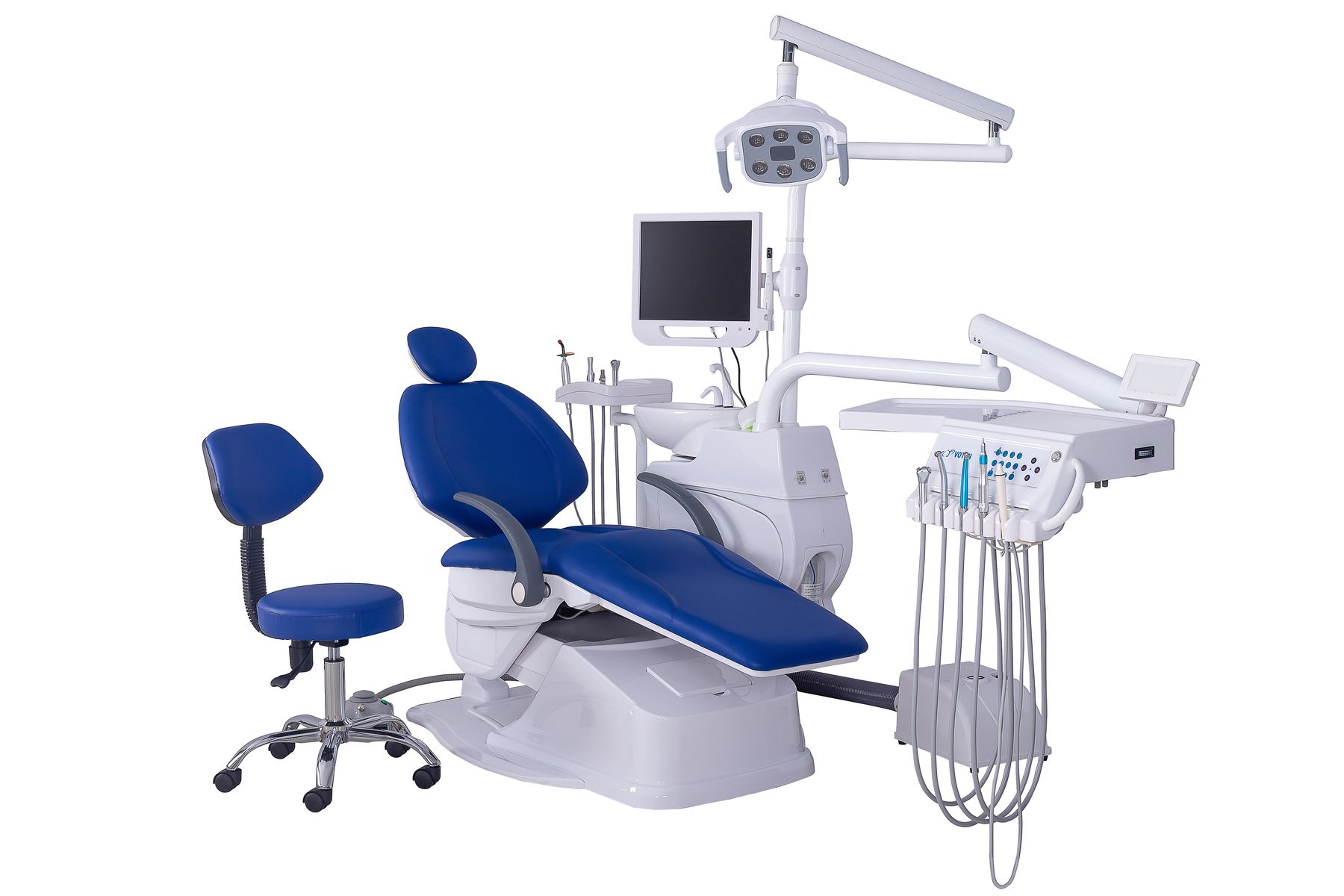
Importing Dental Equipment into Morocco: AMMPS Registration, Spare-Parts Authorisation and Customs Guide
What a Moroccan dealer needs to import dental chairs and clinic equipment: Law 84-12 and the new AMMPS, device classes, the establishment declaration, the registration file and DES-DM submission, the 2026 spare-parts authorisation, the ban on used dental equipment, ANRT approval for Wi-Fi devices, PortNet, VAT, apostille and shipping to Tanger Med.
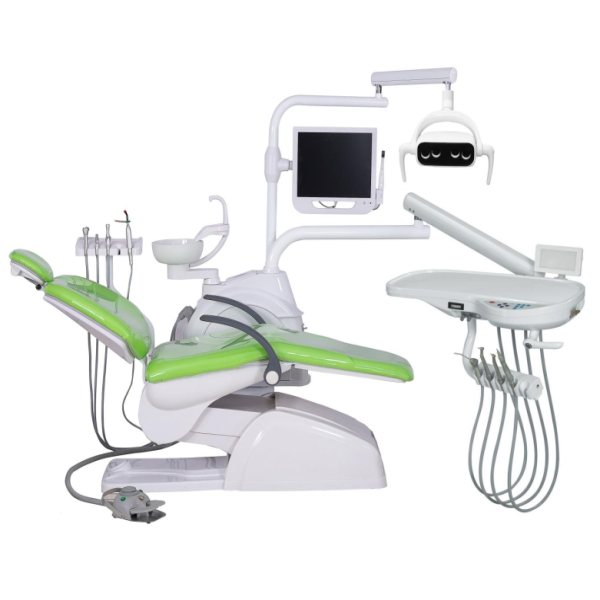
Importing Dental Equipment into Kenya: PPB Registration, KEBS PVoC and Customs Guide
What a Kenyan dealer needs to import dental chairs and clinic equipment: PPB registration and device classes, the local authorised representative, the reference-agency routes, the KEBS PVoC certificate, the IDF and the certificate of origin, VAT on dental lines, Communications Authority approval for Wi-Fi devices, legalisation, power and transport to Mombasa and Nairobi.
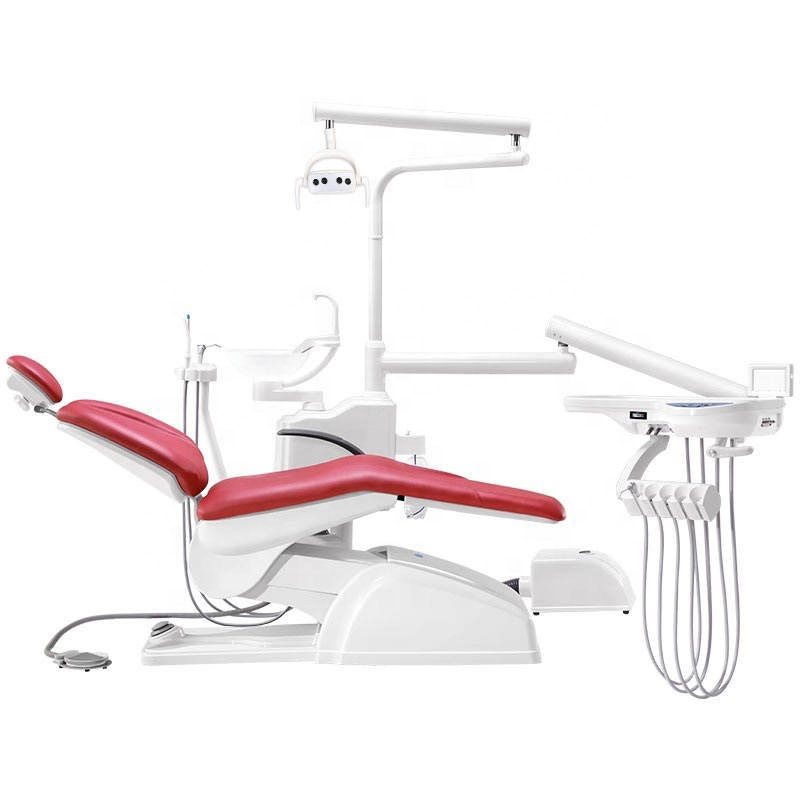
Importing Dental Equipment into Thailand: Thai FDA Notification, Import Licensing and Customs Guide
What a Thai dealer needs to import dental chairs and clinic equipment: how the Thai FDA classes dental devices, listing and detailed notification, the import establishment registration, the dossier and the abridged route, English labelling for professional devices since June 2026, licence per invoice, NBTC rules for Wi-Fi devices, Form E, VAT and transport.